


In the spring of 1958, a young man in his early twenties named Hunter S. Thompson sat down to answer a letter. His friend Hume Logan had written asking for advice about what to do with his life, and Thompson, not yet famous, not yet anything really, wrote back something wiser than his years. There is a paragraph in his reply I have never been able to forget:
A man who procrastinates in his choosing will inevitably have his choice made for him by circumstance. [...] It is not necessary to accept the choices handed down to you by life as you know it. No one HAS to do something he doesn’t want to do for the rest of his life. But then again, if that’s what you wind up doing, by all means convince yourself that you HAD to do it. You’ll have lots of company.
That last line is the one that stings, because it is so easy to become part of that company without ever deciding to…
Most people never really choose their path. They follow the one that is already laid out for them. They make decisions that shape decades of their lives before their brains have even finished forming, which neuroscientists tell us doesn’t happen until around twenty-five. And so, somewhere along the way, a belief settles in: that the direction of your life has already been decided, that the important doors are behind you, and that other people, younger people, are so far ahead that starting now would only embarrass you.
I want to tell you, as plainly as I can, that this feeling is a lie. Not a comforting exaggeration, a lie.
There is a phrase that often gets shared online: “until death, all defeat is psychological.” It sounds dramatic until you test it against your own life. If you have ever, even once, changed something you were sure you couldn’t change, or succeeded after failing more times than you could count, then you already know it is true. Nothing is final while you still have tomorrow. And the strange beauty of tomorrow is that it hasn’t happened yet, which means it holds more possibility than everything you have already done combined. As Hemingway wrote in For Whom the Bell Tolls:
Today is only one day in all the days that will ever be. But what will happen in all the other days that ever come can depend on what you do today.
You have probably seen the old line that life begins at forty, and that everything before it is just research. It has been printed on so many mugs that it is easy to dismiss. But it is closer to the truth than we let ourselves believe, and, as you are about to see, the number forty is far too cautious.
What follows are 8 people who did not begin the work they would be remembered for until an age when most of us have already folded up our dreams and put them away. They are proof of something we forget at our peril: that you are never too old to set another goal, or to dream a new dream…
REMINDER: Beauty is Truth is entirely reader-funded. There are no ads here, only independent writing devoted to celebrating beauty — and it can only continue with your help.
If you’ve been thinking about supporting my work, becoming a paid subscriber is the most meaningful way to do it:
With the new annual subscription discount, it costs less than a coffee a month, and it is what keeps all of this going.
Gift subscriptions to Beauty is Truth are now available too:
1. The Executive Who Lost Everything
Raymond Chandler did not set out to become one of the greatest novelists America ever produced. For most of his life, he wasn’t a writer at all. He was an oil company executive in Los Angeles, comfortable, well paid, and slowly coming apart, drinking too much, adrift in a career he didn’t love. Then the Great Depression tightened its grip, and in 1932, at the age of forty-four, he was fired.
It is hard to imagine a worse moment to lose everything. He was middle-aged, out of work, his savings draining away in the depths of the Depression. But Chandler did something astonishing. He decided, at forty-four, to become a writer, a real one, from scratch. He had no training and no track record. So he taught himself, studying pulp magazines and painstakingly imitating other writers’ stories to learn how the machinery of a sentence worked. He was slow and merciless with his own words. His first story took him five months to write.
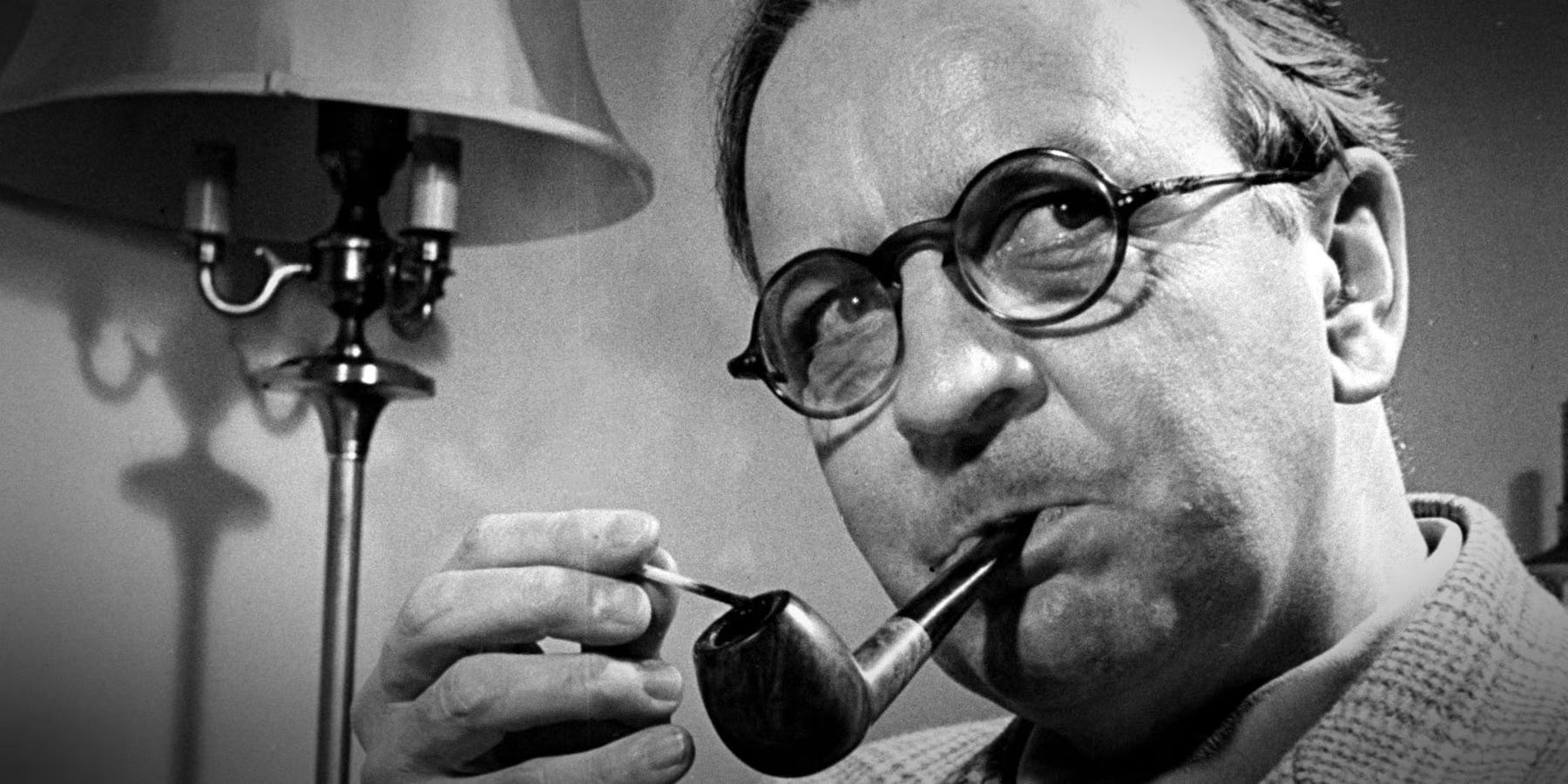
That story sold to a pulp magazine called Black Mask in 1933. And in 1939, at the age of fifty-one, Raymond Chandler published his first novel, The Big Sleep, and introduced the world to a detective named Philip Marlowe. Today he is considered one of the founding fathers of modern crime fiction, an author whose sentences are taught in universities and whose influence runs through nearly every hard-boiled detective who came after him.
He had spent the first forty-four years of his life becoming the wrong thing. With almost nothing left to lose, he staked what remained on the person he might still become, and discovered that his best years were the ones nobody thought he had left.
2. A Whole Life Before the First Page
For most of her life, Laura Ingalls Wilder was not an author. She was a farmer’s wife. She had spent her childhood crossing the American frontier in a covered wagon, and her adulthood working the land at Rocky Ridge Farm in Missouri, alongside her husband, through decades of hardship, debt, and failed harvests.
She had written a little, columns for a small farming paper, starting in her forties. But it was only in her early sixties, with the Great Depression closing in and her savings gone, that she sat down to write the story of her life. She called it Pioneer Girl, an unflinching account of what the frontier had actually been like. Publishers turned it down, one after another. Too bleak, they said. Too bare. Too honest.
She could have stopped there. Most people would have. Instead, she rebuilt the entire thing from the ground up, retelling her memories through the eyes of a child, in the third person, as a story for young readers. In 1932, that book was published as Little House in the Big Woods. She was sixty-five.
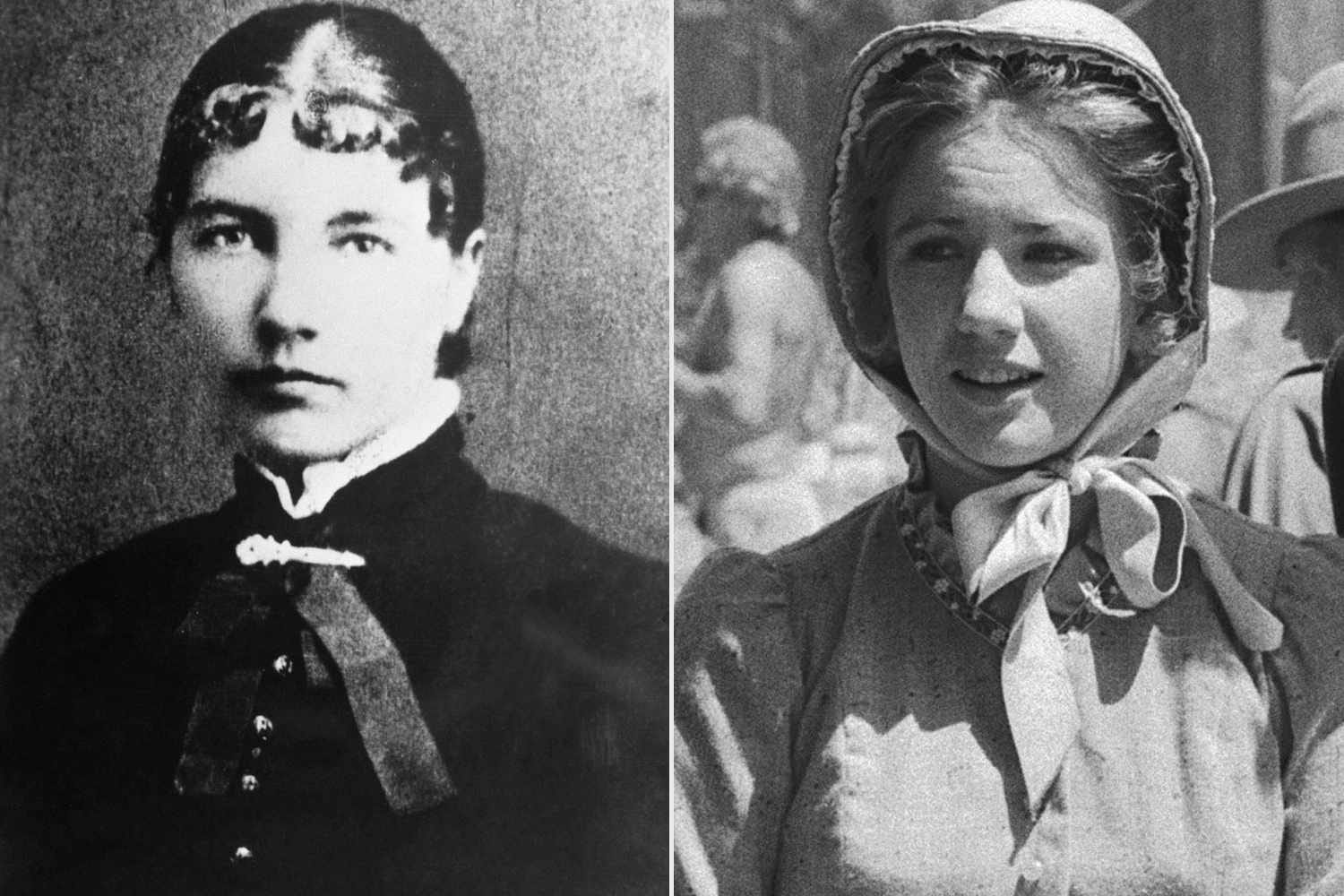
Over the next eleven years, into her seventies, she wrote seven more. The Little House books have since sold more than sixty million copies and been translated into over forty languages, shaping how generations of children around the world imagine courage, family, and home. A farm woman who published nothing until the age when others retire wrote one of the most beloved series in the history of children’s literature…
3. Giving the First Fifty Years Away
Charles Bukowski spent most of his life as a failure. And he knew it.
As a young man he had tried to write, published a couple of stories, and then given up almost entirely, sinking into what he later called a “ten-year drunk,” drifting between cheap rooming houses and dead-end jobs across America. For roughly a decade after that, he worked as a clerk at the Los Angeles post office, sorting mail, a job he found soul-crushing and monotonous. He wrote poems at night, in obscurity, publishing here and there in tiny magazines, but by his late forties he had no money and almost nothing to show for his life. No sign that any of it had been worth it.
Then, in 1969, when Bukowski was forty-nine, a small publisher named John Martin made him an extraordinary offer: one hundred dollars a month, for life, if he would quit the post office and write full-time. It was barely enough to survive on, and it meant giving up the only steady thing he had. Bukowski described the choice with brutal clarity: “I have one of two choices,” he wrote, “stay in the post office and go crazy... or stay out here and play at writer and starve. I decided to starve.”
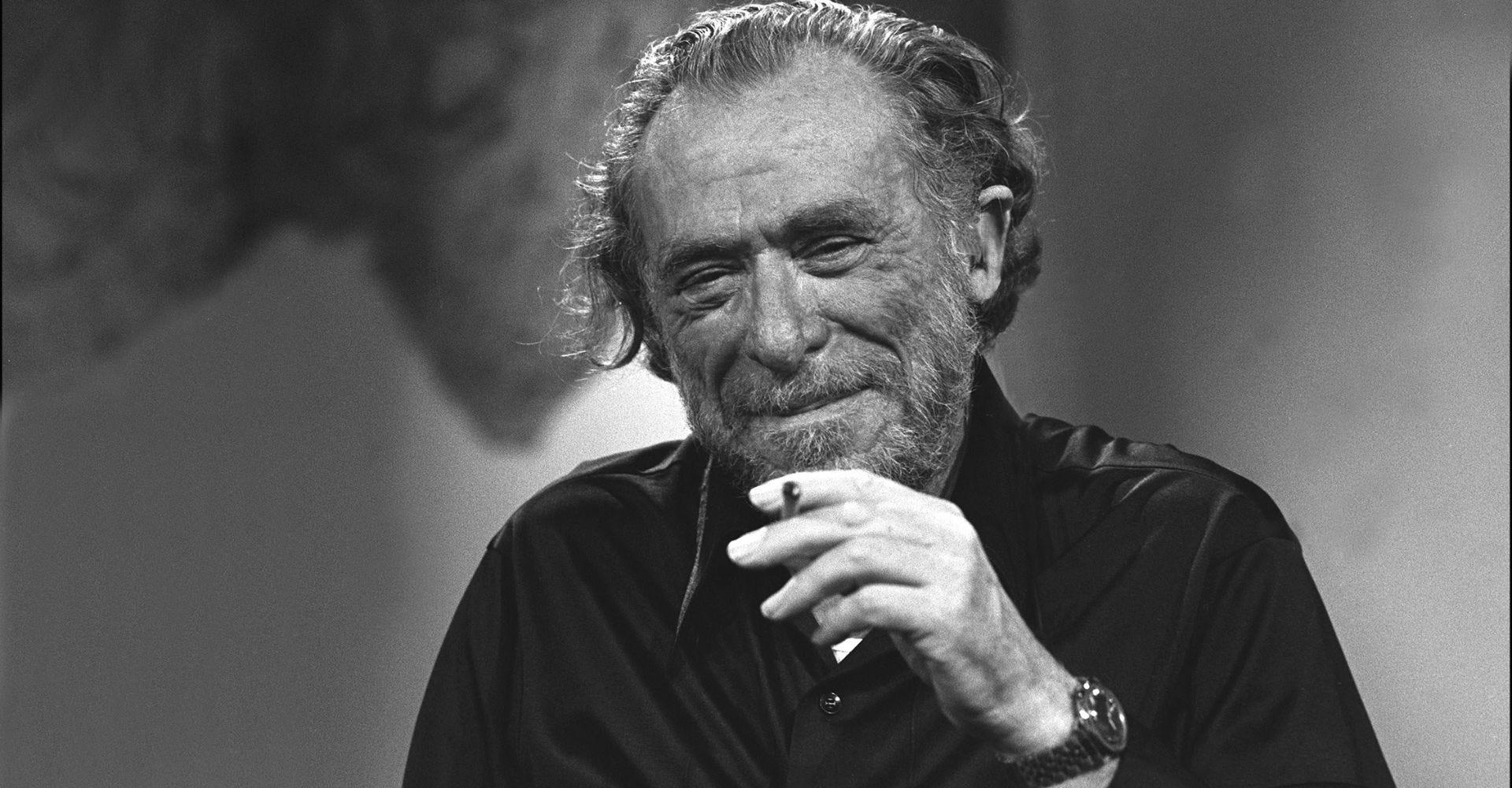
Less than a month later, he had written his first novel. He called it Post Office. He was fifty when it was published, and it changed the course of his life. Bukowski went on to write thousands of poems, six novels, and over sixty books, becoming one of the most widely read and imitated writers of the century, beloved especially by the outcasts and the working poor who saw their own lives in his.
Years later, thanking the publisher who had freed him, Bukowski wrote a line that says everything about starting late, admitting he had found himself as a writer only “after giving the first 50 years away.” He did not get those years back. He didn’t need to. He proved that the life you’ve wasted can’t stop you from becoming, at last, exactly who you were meant to be…
4. The Professor Who Doodled a World
By any ordinary measure, J.R.R. Tolkien had already made something of his life by the time he was forty. He was a respected Oxford professor, a philologist, an expert in ancient languages, with a wife and four children and a comfortable academic career. He was, in other words, exactly the sort of person who might reasonably decide that the shape of his life was already settled.
The story goes that one summer, while grading exam papers, he found a blank page left by a student, and, for no reason he could ever fully explain, wrote a single sentence on it: “In a hole in the ground there lived a hobbit.”
He did not know what a hobbit was. He had simply been inventing languages and mythologies for years, as a kind of private hobby, and telling stories to his own children, never imagining that this one would end up in print. But that one line grew, slowly, into a book. And in 1937, at the age of forty-five, Tolkien published The Hobbit.
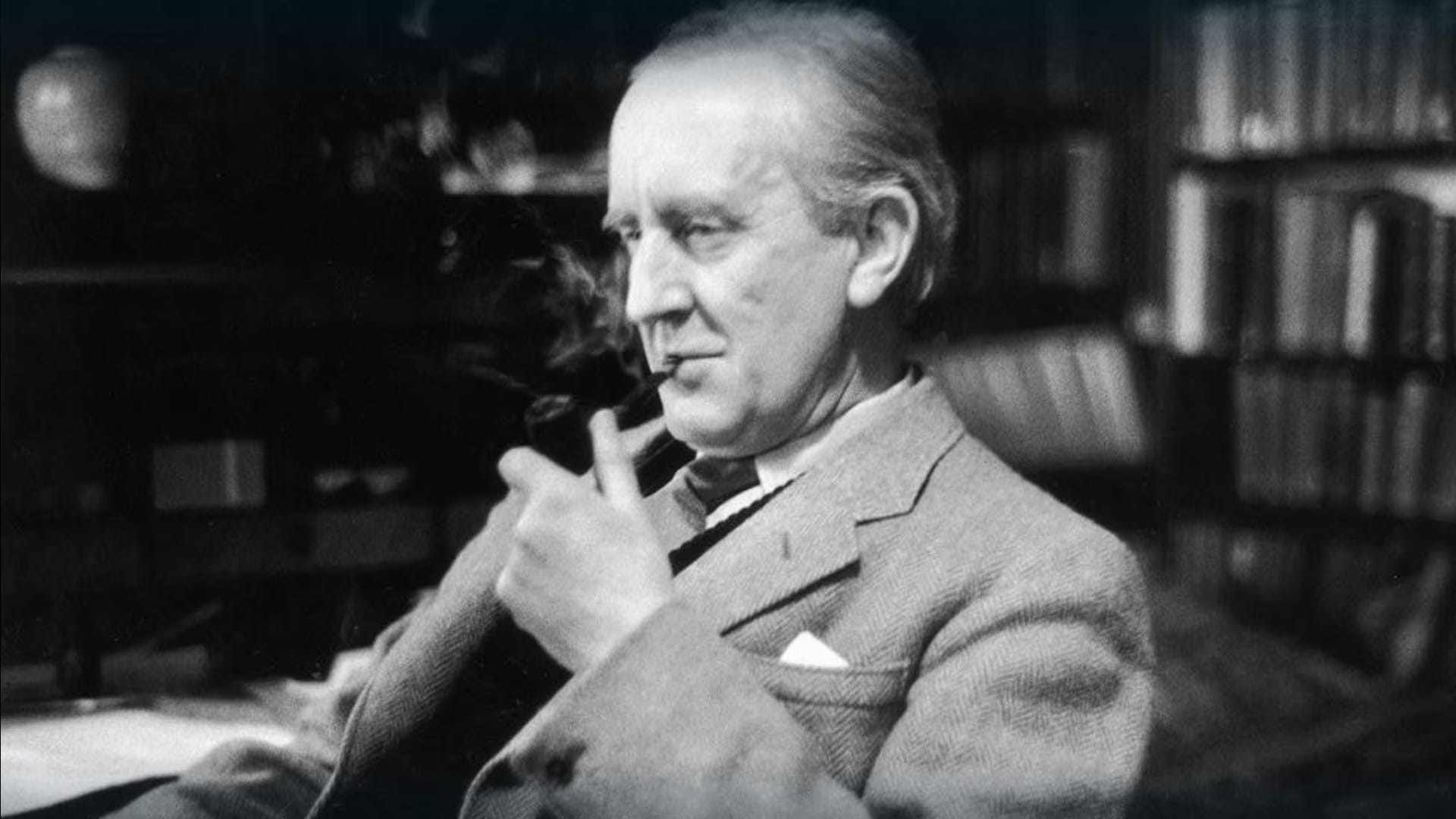
It was a success, and his publisher asked for a sequel. Tolkien warned them it might take a while... It took seventeen years. He wrote it in the margins of a demanding full-time job, revising endlessly, doubting it often. When The Lord of the Rings was finally published, across 1954 and 1955, Tolkien was in his early sixties.
That book, begun as a middle-aged professor’s side project, went on to sell over a hundred and fifty million copies, invent modern fantasy as we know it, and reshape the imagination of the entire world.
Tolkien had a whole respectable life already. And still, the thing he is remembered for, the thing that outlived him and touched hundreds of millions of people, was something he started at forty-five, in the margins, when he could easily have told himself it was too late to begin…
5. Before the Sun Came Up
Toni Morrison did not have the luxury of waiting for the perfect conditions to write. By her late thirties she was divorced, raising two young sons entirely on her own, and working a demanding full-time job as an editor in New York. There was no quiet studio, no stretch of empty afternoons, no patron funding her art. There was a mother, two children, and a job.
So she made her time where none existed. She began waking before dawn, while her sons were still asleep, to write in the dark with a cup of coffee as the light slowly came up. It was the only part of the day that belonged to no one but her. Out of those stolen early mornings came her first novel, The Bluest Eye, published in 1970, when Morrison was thirty-nine years old. It sold barely two thousand copies at first.
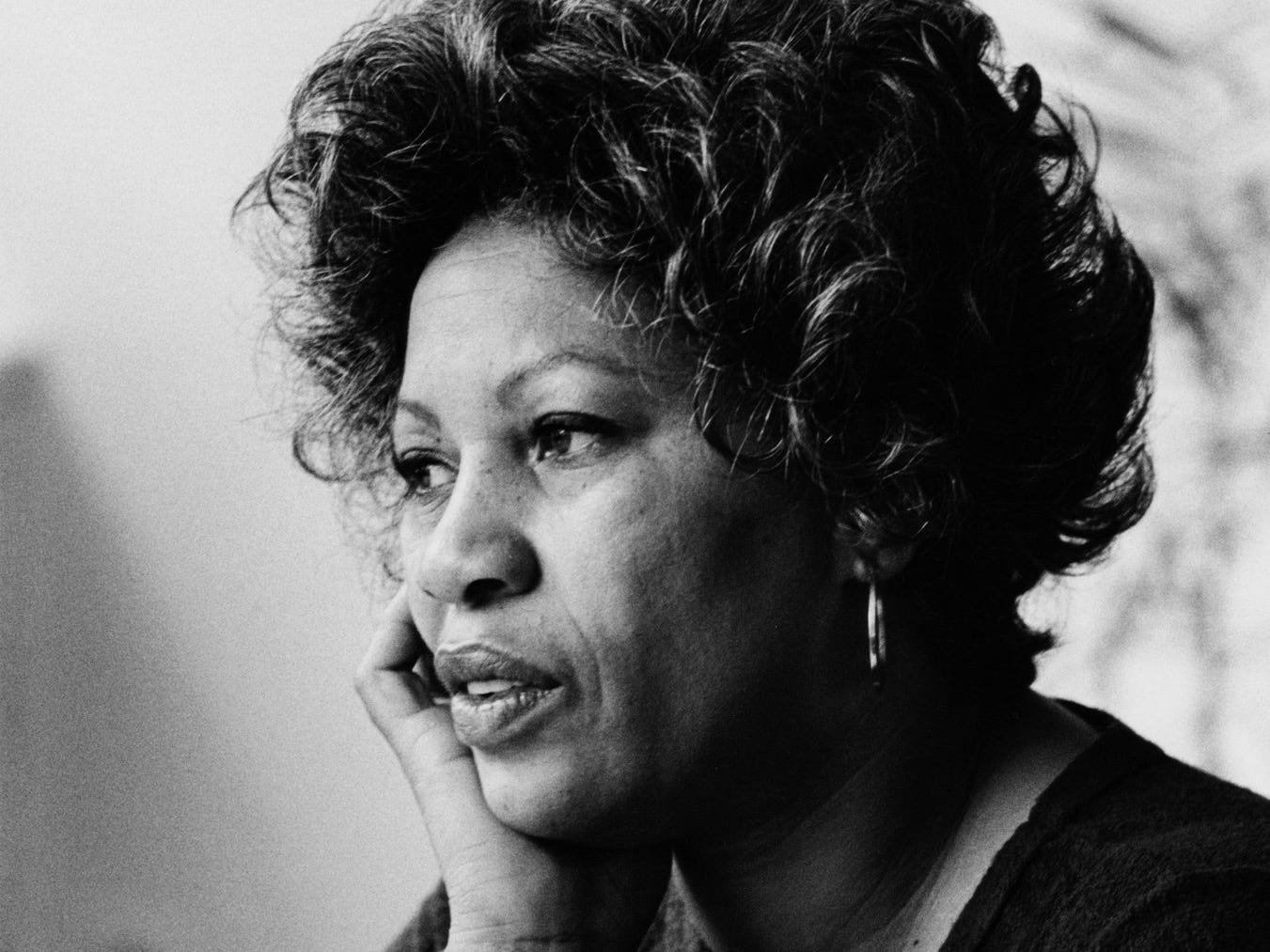
But she kept going. Song of Solomon brought her national recognition when she was forty-six. Beloved, published when she was fifty-six, won the Pulitzer Prize and is now regularly called one of the greatest novels in American literature. And in 1993, at the age of sixty-two, Toni Morrison was awarded the Nobel Prize in Literature, the first Black woman in the world ever to receive it.
Her life is the answer to everyone who has ever said they have no time, no space, no freedom to chase the thing they love. Morrison had a job, two children, and no time to spare, and she built one of the great bodies of work of her century inside that crowded life, one dark morning at a time, before anyone else was awake…
6. The Teacher Who Waited a Lifetime
For twenty-seven years, Frank McCourt taught English in New York City public high schools. He was, by all accounts, a wonderful teacher, funny, warm, a natural storyteller with a thick Irish brogue. But the whole time, there was a book inside him he could not get out. He had tried once, back in 1969, to write the story of his brutal, impoverished childhood in Limerick. He couldn’t do it. He didn’t yet have the voice. So he threw it away and kept teaching.
He did not publish his first book until he was sixty-six years old, already retired. When the words finally came, they came in the voice of the child he had been, and the result was Angela’s Ashes. It won the Pulitzer Prize. It sold millions of copies in dozens of languages and became one of the most beloved memoirs ever written.
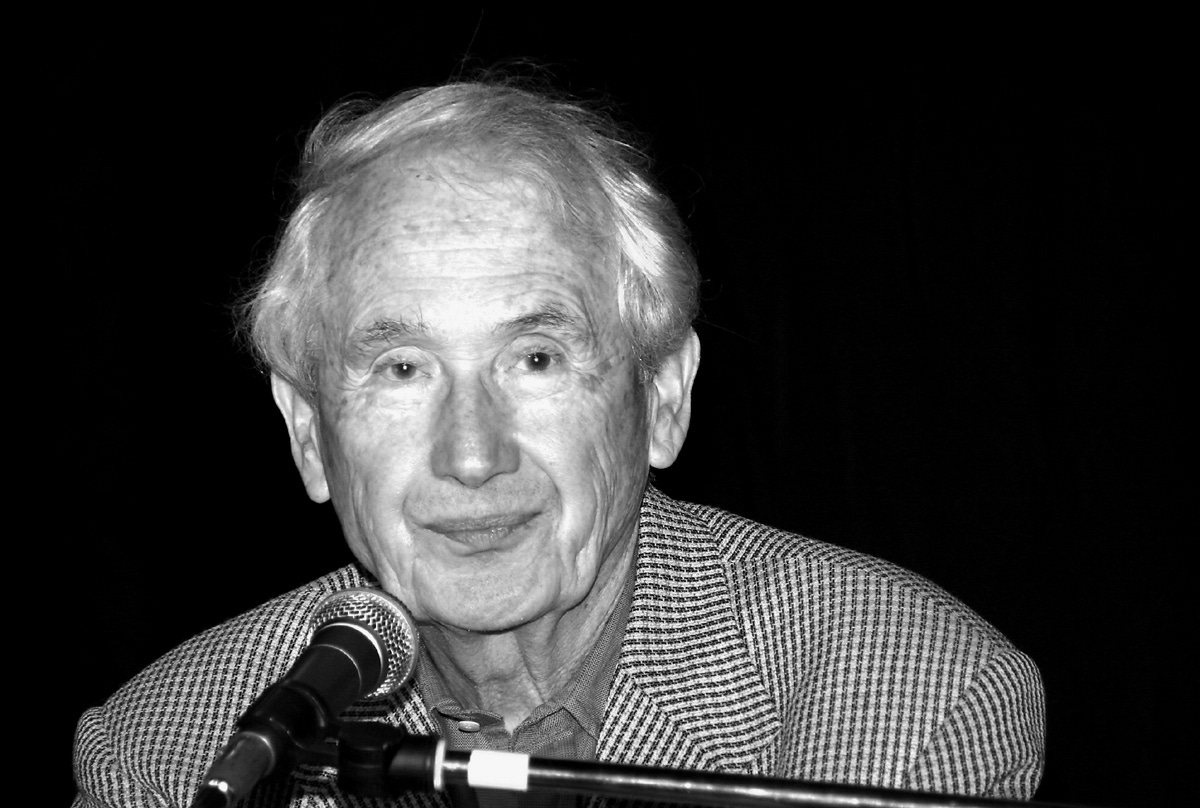
McCourt knew exactly what he had almost let slip away. “F. Scott Fitzgerald said there are no second acts in American lives,” he once remarked. “I think I’ve proven him wrong. And all because I refused to settle for a one-act existence.”
7. The Woman Who Began at Seventy-Eight
Anna Mary Robertson Moses had lived an entire life before she ever picked up a paintbrush. She had grown up on a farm, worked as a hired girl, married, raised her children, buried five of them in infancy, and spent decades doing the endless labor of rural life. In her later years she made small embroidered pictures for friends. Then, at seventy-eight, arthritis made it too painful to hold a needle. So she decided to try painting instead.
She had no training. She painted the world of her childhood from memory, tidy fields and barns, on whatever she could find: old canvas, fireboard, house paint. She entered a few at the county fair, alongside her jams and preserves. The jams won prizes. The paintings went unnoticed. Then, in 1938, a passing art collector spotted some of her work in a drugstore window in a small town, and bought all of them.
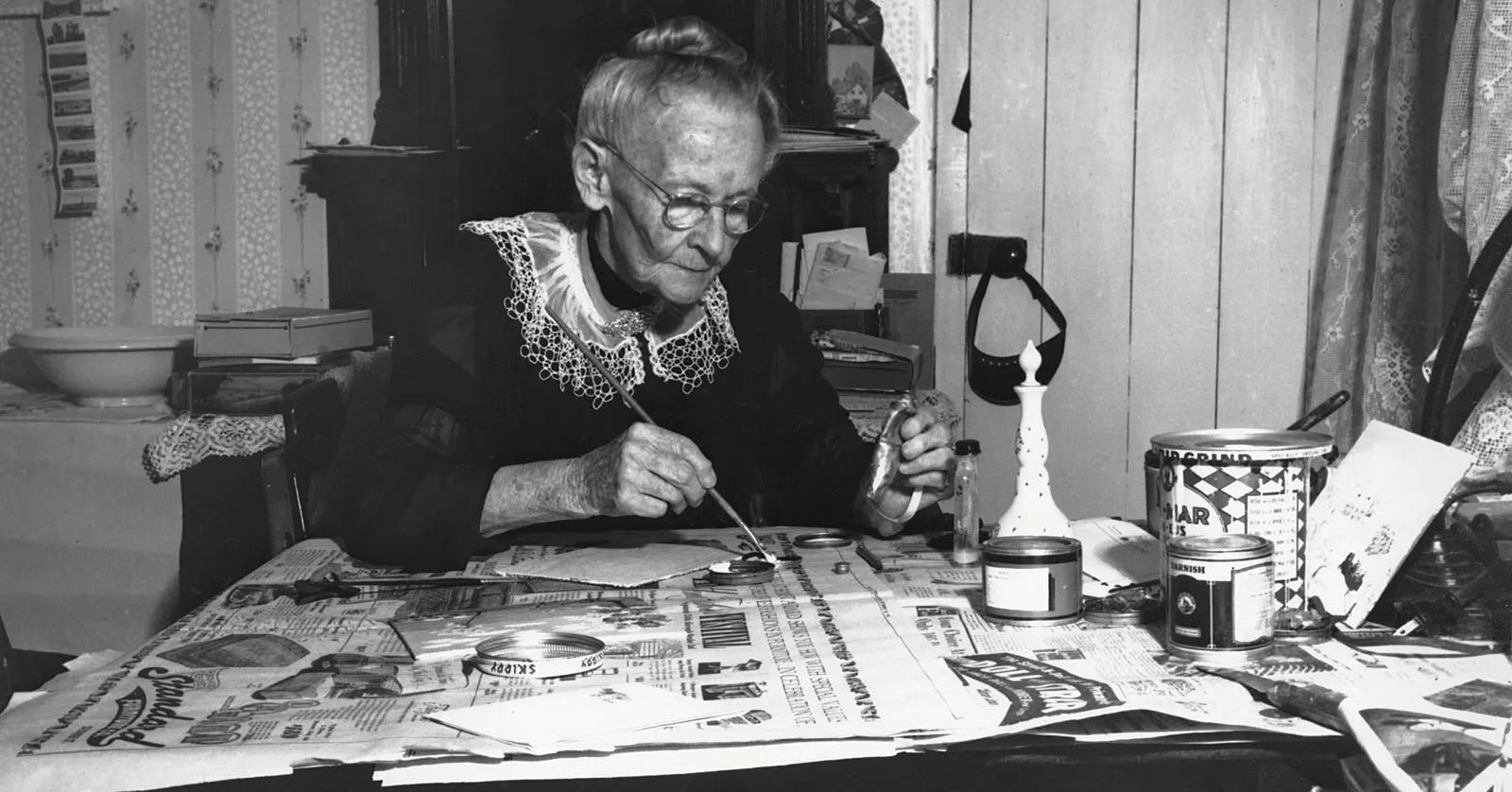
Within a year, three of her paintings were hanging in the Museum of Modern Art in New York. The farm woman the press affectionately dubbed “Grandma Moses” became a national sensation, her scenes reproduced on millions of greeting cards, her face on the cover of Time. She took none of it too seriously. If she hadn’t taken up painting, she once said with characteristic plainness, she “would have raised chickens.”
She went on to paint more than fifteen hundred works, and kept at it almost until the day she died, at the age of one hundred and one. The years everyone assumed she had run out of turned out to be the richest of her entire life.
8. The Man Who Sold One Painting
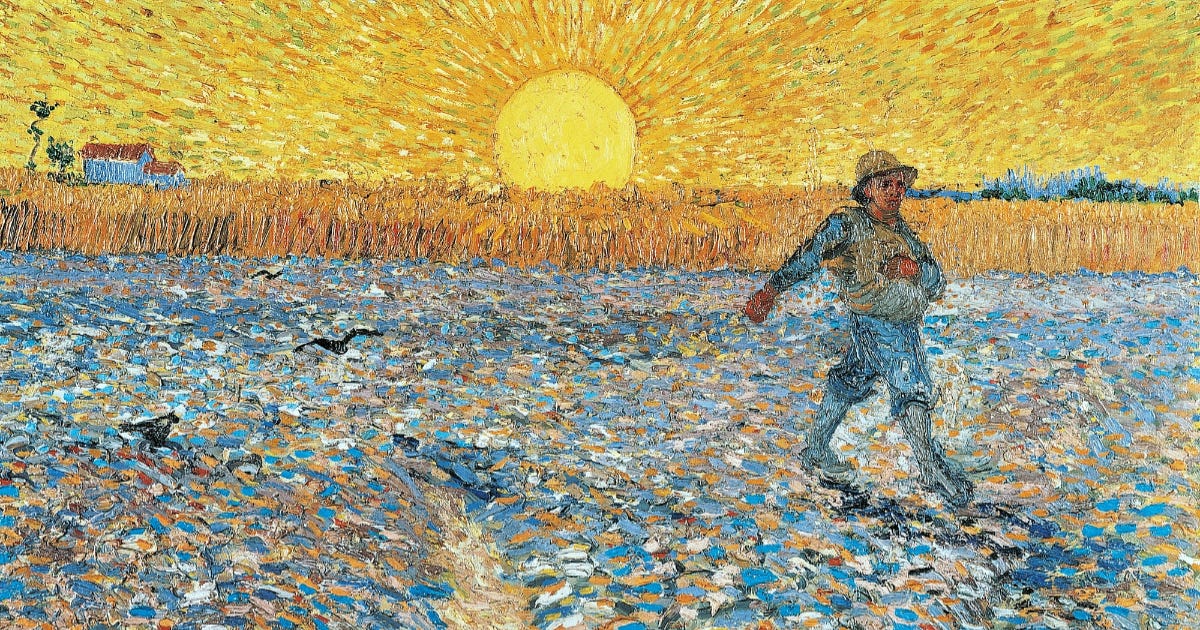
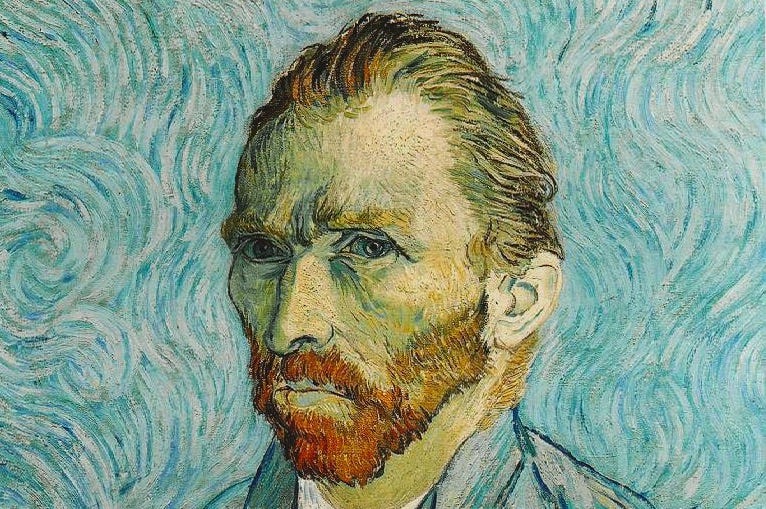
Vincent van Gogh did not pick up a brush until he was twenty-seven years old. Before that, he had failed at nearly everything he tried. He had failed as an art dealer, failed as a teacher, failed as a bookseller, and failed, most painfully, as a missionary, cast out by the church he had tried to serve. By his late twenties he was, by every worldly measure, a man whose life had not amounted to anything.
And then, with the constant support of his brother Theo, who sent him money and paint and belief when Vincent had none of his own, he began to paint. He had roughly ten years left to live. In that single decade, he produced around nine hundred paintings and more than a thousand drawings, at times finishing nearly one canvas a day, pouring into them a way of seeing the world that no one had ever imagined before.
Just one of those paintings found a buyer while he lived: The Red Vineyard, sold in Brussels for a few hundred francs…
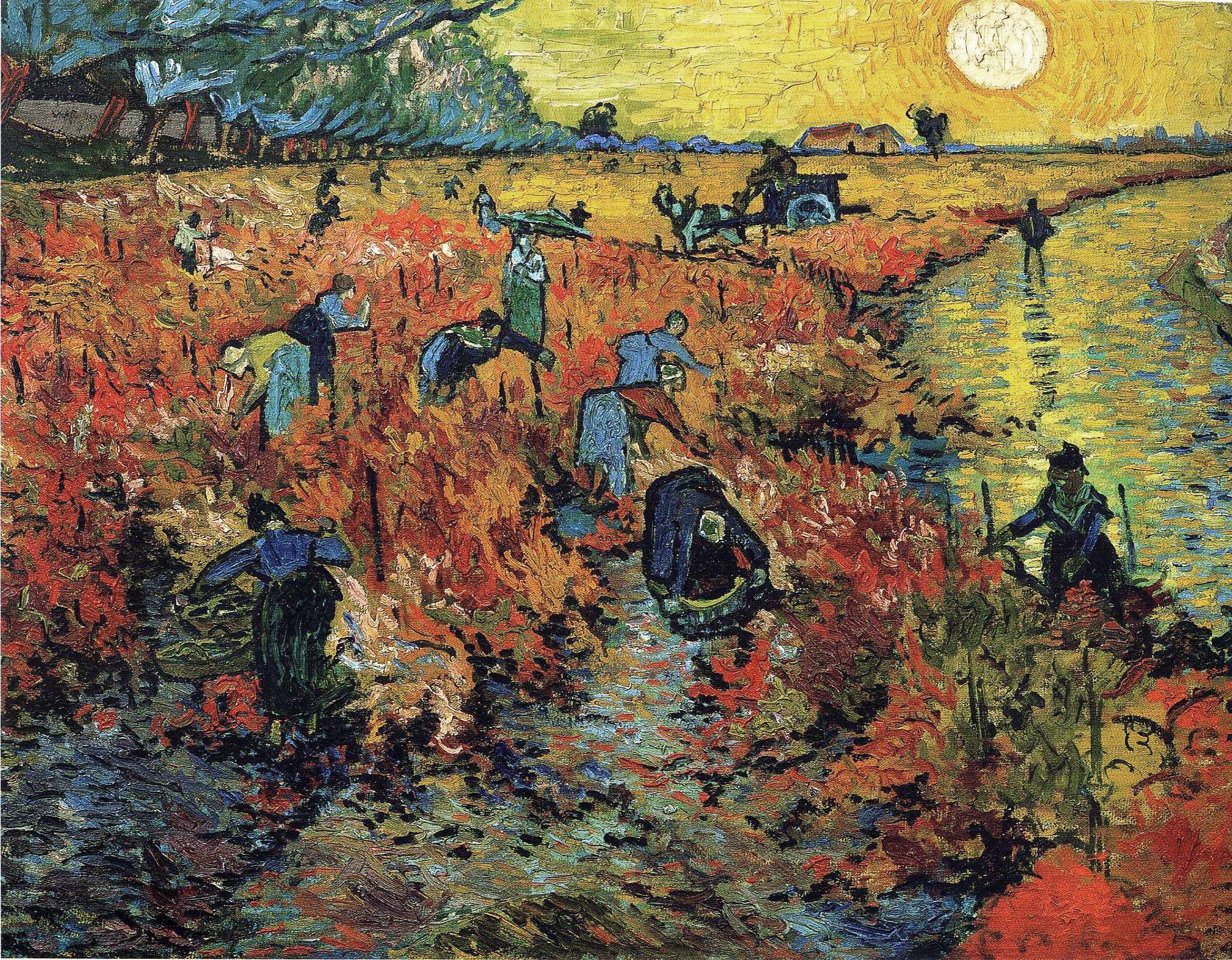
He died at thirty-seven, believing himself a failure, convinced the world had no use for what he had made. In a letter to his brother Theo, he wrote:
Someone has a great fire in his soul and nobody ever comes to warm themselves at it, and passers-by see nothing but a little smoke at the top of the chimney and then go on their way.
He never got to see the museums built to hold his work, the millions of people who would one day stand in silence before The Starry Night, and the way his name would become a byword for genius itself. Everything he is loved for happened after he was gone.
There is something almost unbearable in that, but there is something luminous in it too. Van Gogh started late, worked in near-total obscurity, and was never once told, in life, that any of it mattered. And yet he never stopped, because he had finally found the thing he was meant to do. The world caught up eventually. It always does. It simply does not always do it in time for us to see, which is why the only real choice is to begin, and to leave the rest to time…
Every one of these 8 people arrived at their calling late, and by a different road. Some were pushed there by failure, some by loss, some by nothing more than the realization that they were not done yet. But all of them are proof of something we forget the moment we need it most: that what separates the people who actually do it from the people who always intended to is simply that, at some point, the first group began.
We tell ourselves that the door has closed, that the best years are spent, that the people ahead of us got there first and there is no point starting now. But the years behind you were never the ones that mattered. The only years you can do anything with are the ones still in front of you, and those are entirely yours.
So begin. Write the first page. Sign up for the class. Make the call. Start the business, the painting, the life you have been carrying around inside you for years, half-afraid to say out loud that you still want it. You will not feel ready. No one ever does. The fear you feel standing at the edge of it is not a sign to turn back; it is only the proof that this is something you love, and that your time is finally here.
It is not too late. It was never too late. And as Thoreau promised, all the way back in Walden, the reward for daring it is greater than we let ourselves believe:
If one advances confidently in the direction of his dreams, and endeavors to live the life which he has imagined, he will meet with a success unexpected in common hours.
You can fail even at the life you never wanted, so you might as well chase the one you love…
Thanks for reading. Writing this newsletter is the work I decided to take a chance on, the thing I actually love. It is completely independent and ad-free, with no company behind it and no sponsors shaping a word of it. That freedom exists only because of readers like you. If these pieces mean something to you, please consider becoming a paid subscriber for a few dollars a month, and unlock the full archive and subscriber-only articles:
Every subscription genuinely makes a difference.
Thank you for making this work possible.
This was so heartfelt and a joy to read. Thank you for the inspiration. ☺️
My late bloomer soul needed to see/hear this. You have an incredibly soothing voice, too. Thank you! 🙏🏽