


F. Scott Fitzgerald once said:
That is part of the beauty of all literature. You discover that your longings are universal longings, that you’re not lonely and isolated from anyone. You belong.
The older I get, the more this means to me. Fitzgerald was talking about literature — but the same is true of words themselves… perhaps even more so.
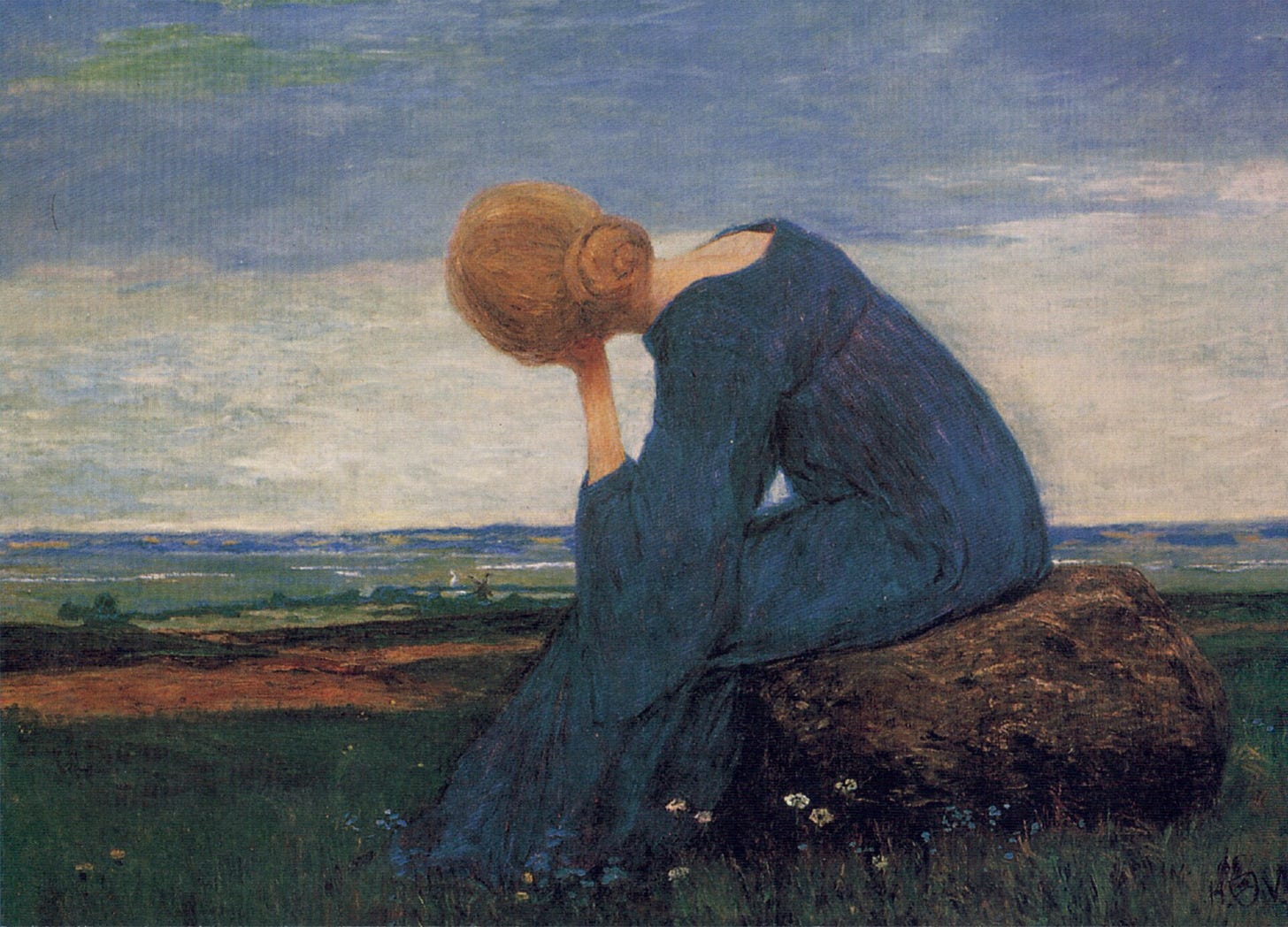
There is a word in German — Sehnsucht — that has no real equivalent in English. It derives from sehnen, to yearn, and Sucht, addiction or craving. Together they describe something most of us have felt but never articulated out loud: an intense, almost spiritual longing for something you cannot name — a life more beautiful, more whole, more something than the one you’re living.
C.S. Lewis spent years trying to find the English word for it and never quite managed…
He called it “the inconsolable longing in the heart for we know not what” — writing around it, approaching it from every direction, never getting close enough to pin it down. Because English, for all its vastness, does not have the word. It has the feeling. We all do. We just have nowhere to put it.

Language is how we make things real. When we have no word for something, we are left to carry it unnamed… and a feeling without a container is a terrible thing. There is a particular loneliness in that. Not the loneliness of being alone, but the loneliness of feeling something deeply and having no way to point at it and say: that. That is what I mean.
Other languages, it turns out, have been keeping the door open for us all along.
Some of the words that follow are centuries old. Some are ancient. One was invented in 2012 by a writer who simply needed a word that didn’t exist yet. What they share is this: they all name something you have already felt — so precisely, and so persistently, that someone, somewhere, needed to build a word to hold it.
In Tractatus Logico-Philosophicus, Ludwig Wittgenstein wrote:
The limits of my language mean the limits of my world.
These are 10 words that make the world a little larger. Read them slowly…
REMINDER: this is a teaser for my subscriber-only articles.
Beauty is Truth is a reader-funded publication, supported entirely by you. There are no ads here, only independent writing devoted to celebrating beauty.
If you’ve been thinking about supporting my work, becoming a paid subscriber is the most meaningful way to do it:
With the new annual subscription discount, it’s less than the cost of a coffee per month — and it’s what makes all of this possible.
1. Petrichor
The smell of rain on dry earth is one of the oldest sensory memories our species has. Scientists Isabel Joy Bear and Richard Grenfell Thomas named it in 1964, pulling from Ancient Greek — petra, stone, and ichor, the fluid said to run through the veins of the gods. What they were naming was the scent released when raindrops strike parched soil, lifting oils that the earth had been holding in reserve.

But you already knew this smell. You knew it before you knew its name — the way you know something that bypasses language entirely and lands directly in the body. There is a reason it stops people mid-sentence, mid-step. Some scientists believe this sensitivity evolved in us because the scent signaled the arrival of fresh water and fertile soil — that rain meant survival, and so the smell of it became, over thousands of generations, something closer to relief than pleasure. It is the smell of something the earth had been waiting for. And somewhere, deep in the body, so had we.
2. Mångata
On a still night, when the moon is full and the water is calm, a column of light appears on the surface — trembling, luminous, stretching toward you like a road. In Swedish, this is called mångata. Literally: moon street.
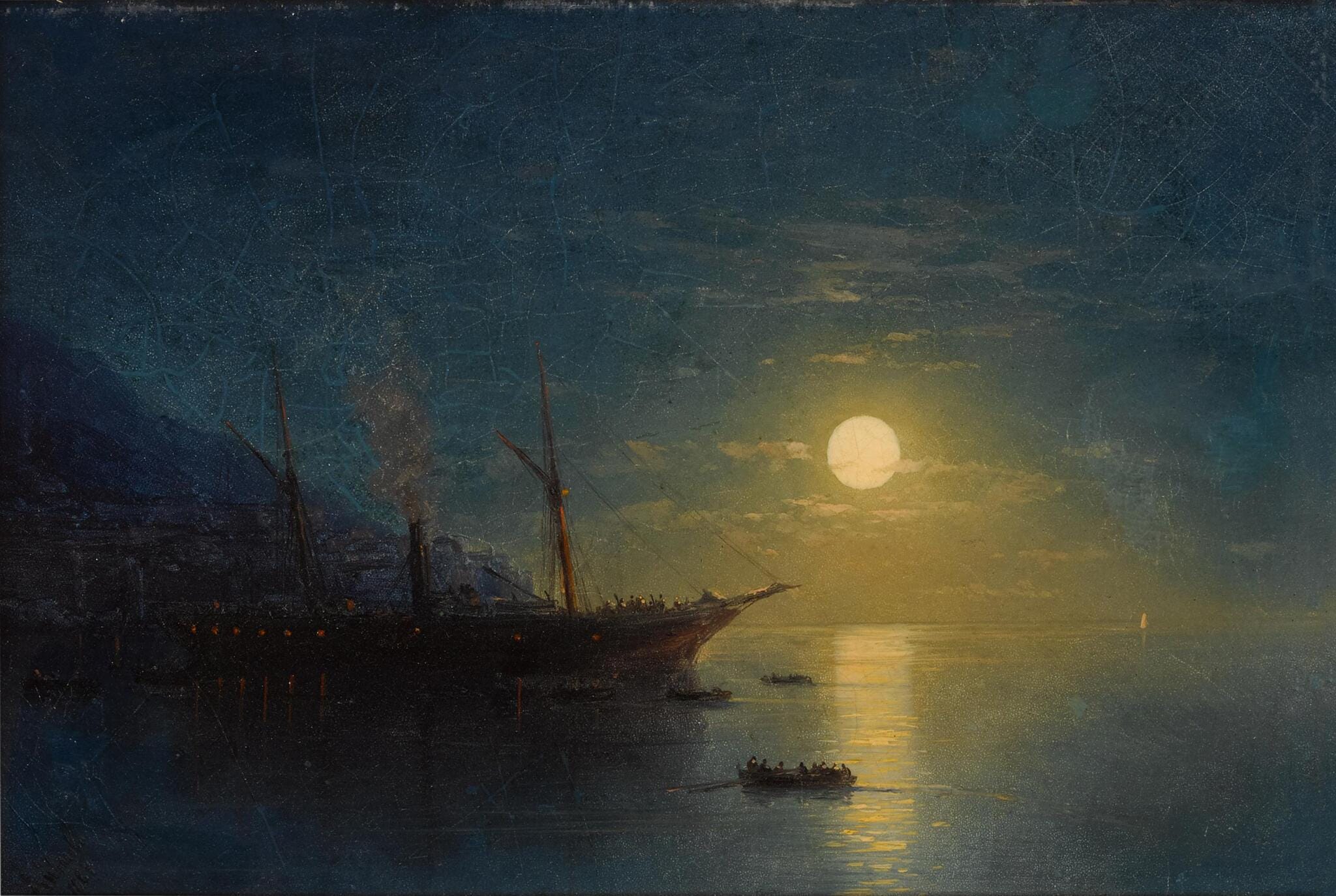
There is something about it that feels like an invitation to somewhere you cannot go. You have stood at the edge of water and looked at it and felt, briefly, that if you simply stepped forward it might hold you. It will not hold you. But the feeling is real, and the Swedes, apparently, felt it often enough to need a word for it.
3. Cafuné
To run your fingers slowly and tenderly through someone’s hair. That is all. That is everything. The Brazilians took this gesture — this specific, intimate, unhurried act of care — and gave it its own word: cafuné.

There are things we do for the people we love that exist below language, in the register of touch. This is one of them. The fact that it has a name confirms that it matters — that it has always mattered, in more than one language, on more than one continent.
And what do you call the feeling when a stranger’s perfume in an empty corridor stops you completely — and suddenly you are somewhere else entirely, years ago, with someone you loved? There is a word for that too…