


The human brain evolved over hundreds of thousands of years to handle what was immediately around it. It was never meant to carry everything…
And yet here we are. Somewhere in the architecture of the attention economy, someone figured out that the worst things happening in the world — the wars, the crises, the slow erosion of certainty — are the things that keep people watching. Fear spreads fast. So that is what we are shown.
All of it. All at once. Every day.
For most of human history, this was not possible. News traveled at the speed of a horse and people knew what they knew. The suffering of the world was real, but it arrived slowly, filtered through distance and time. According to the American Psychiatric Association, about two-thirds of Americans report feeling anxious about current events happening around the globe. That number is probably not surprising to anyone reading this...
The antidote, for me, has always been the same. Not escape exactly, but redirection toward something the algorithm cannot manufacture: the beauty of this earth. The places that still exist in a register so far beyond ordinary experience that looking at them feels like proof that the world has not yet been drained of its magic.
The 19th-century German Romantics understood this impulse before anyone had named it. Their movement was built, in part, on a love of nature so intense it bordered on spiritual — a sudden hunger to lose themselves in the forests and untamed landscapes of Central Europe.
It is to the 19th-century German nobleman and travel writer, Prince Hermann von Pückler-Muskau, that we generally attribute a word I’ve always loved: Fernweh. A marriage of fern, meaning distance, and weh, meaning ache or pain. Distance-sickness. The longing for far-flung places beyond your doorstep. Nabokov described it without naming it in his novel Mary:
Nostalgia in reverse, the longing for yet another strange land, grew especially strong in spring.
There is an older word, though, that gets even closer to what I mean. In Greek mythology, Arcadia — a mountainous province of the Peloponnesus — was the domain of Pan, a virgin wilderness where the god of the forest and his court of nymphs and spirits of nature made their home. Over time, the word drifted from mythology into poetry, and from poetry into the language we use to describe a particular kind of place: unspoiled, bountiful, existing in harmony with itself.
The inhabitants of Arcadia were thought to have gone on living in the manner of the Golden Age — without the pride, the avarice and the noise that corrupted everywhere else.
The 6 places that follow are as close to that as the world still has to offer. They look almost too perfect to be real. But they are real — which, given how our planet feels right now if you have been following the news, might be the most astonishing thing about them…
REMINDER: this is a teaser for my subscriber-only articles.
Beauty is Truth is a reader-funded publication. There are no ads here, only independent writing devoted to celebrating beauty.
If you’ve been thinking about supporting my work, becoming a paid subscriber is the most meaningful way to do it:
With the new annual subscription discount, it costs less than a coffee a month — and it’s what keeps all of this going.
1. The Place That Inspired Rivendell
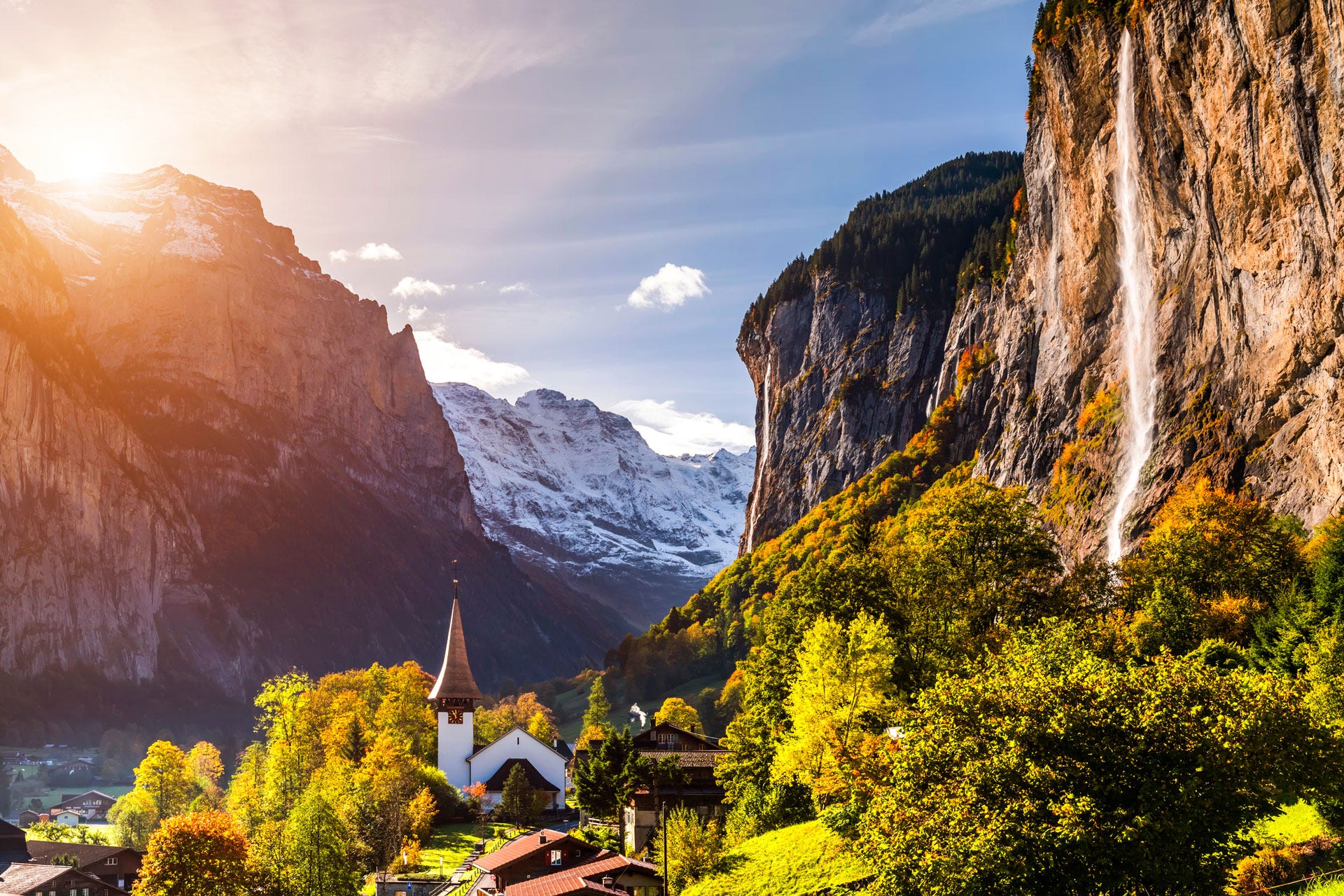
In 1911, J.R.R. Tolkien hiked from Interlaken through the Lauterbrunnen Valley and the landscape he encountered there provided the concept for his sketches and watercolors of Rivendell — the elven valley that became one of the most beloved places in all of fiction. It is not difficult to understand why…
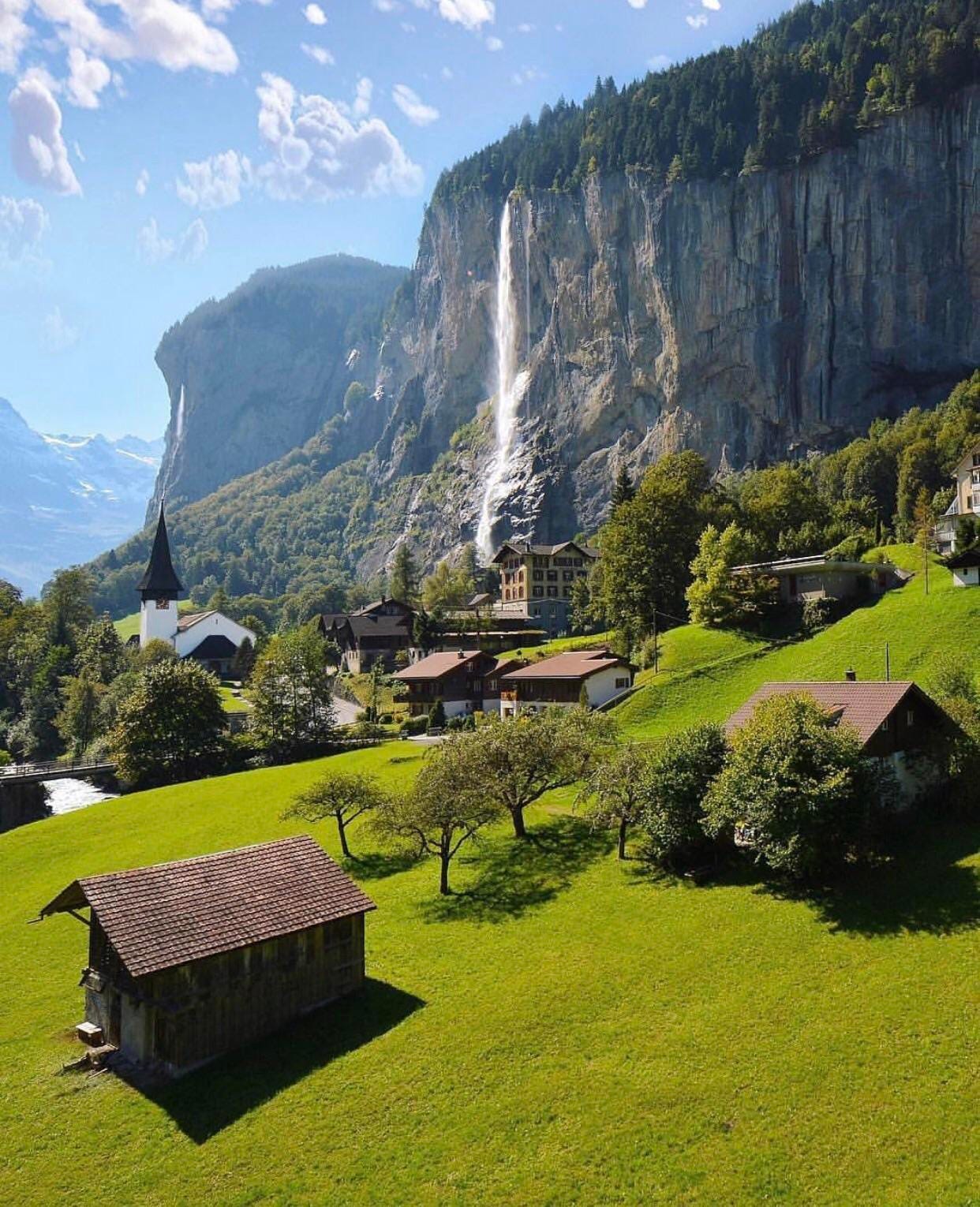
The valley’s name says everything about it. Lauter means loud, and brunnen means fountain — a fitting description for a place where the constant sound of falling water is the first thing you notice and the last thing you forget. The cliff walls rise up to 1,000 meters high, and from them pour 72 waterfalls, including the Staubbach Falls — the highest free-falling waterfall in the country.
Decades after his hike, Tolkien wrote to his son Michael about those weeks in Switzerland, calling it the part of the world that had the deepest effect on him. The name of Rivendell’s river — Bruinen, or Loudwater in English — is widely regarded by scholars as a deliberate echo of Lauterbrunnen, the sound of the place preserved inside the fiction like something he could not bring himself to let go of entirely.
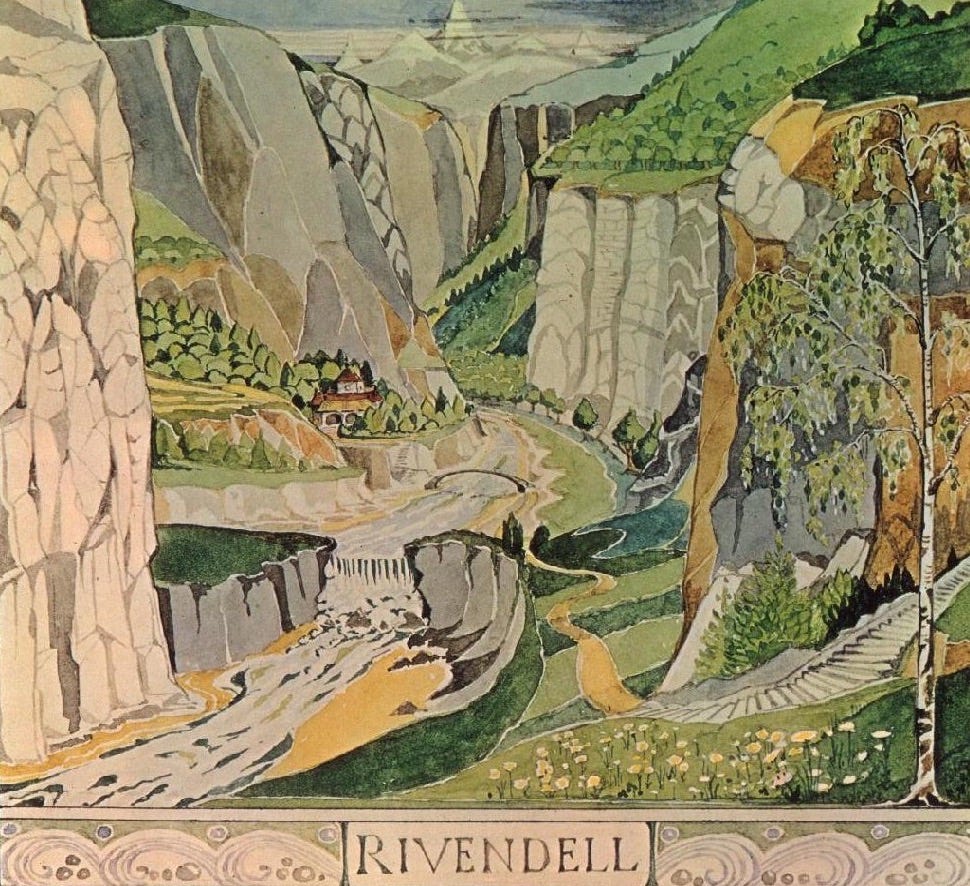
He had walked these paths navigating by map through mountain passes — and what he found here stayed with him for the rest of his life, surfacing decades later in the pages of the most widely read fantasy novels ever written. That is what this valley does. You come here once, and it follows you home.
Goethe was also here, staying near the Staubbach Falls and writing his poem Song of the Spirits over the Waters in its shadow. There is something about this valley that has always pulled writers toward it — as if its sheer scale and beauty demand a response, and ordinary language keeps falling short…
2. The Most Otherworldly Beach on Earth
Lauterbrunnen inspired a fictional paradise. This place makes you question whether fiction is even necessary:
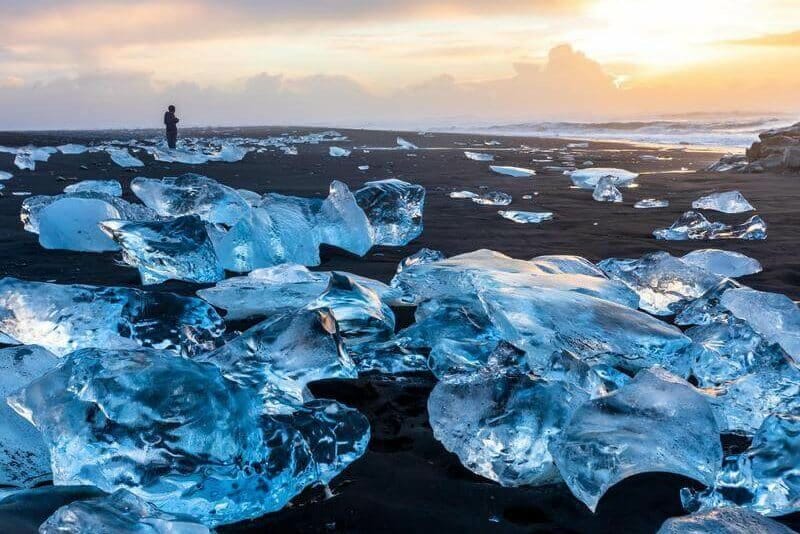
I know. It looks like AI, but it isn’t. It’s a real corner of the earth you and I are currently living on…