



In 1953, the English novelist L. P. Hartley opened The Go-Between with a sentence that has been quoted ever since:
The past is a foreign country: they do things differently there.
In his manuscript, now held by the University of Manchester, Hartley first followed it with three more words, “Or do they?” before deciding to drop them. For a long time I would have sided with the version he published, because the history we learn at school is mostly about rulers and wars, and we rush through it so fast, memorizing names and dates, that the past ends up feeling exactly like the foreign country he described.
If the only things we could say about our best friends were when they got married and where they worked, they would be just as foreign to us. We grow close to someone by hearing what they’re always complaining about and who they’d do anything for, and it’s no different with those who lived long before us.
The trouble is that history has rarely made room for ordinary people, and of the roughly 117 billion humans who have ever been born, the vast majority left no words behind. A few of them reached us anyway, by sheer luck, through traces of their daily lives that were never meant to last, and the 6 discoveries below may be the clearest answer we have to Hartley’s question. By the end, you’ll see the people of the past less as characters in a story and more as your neighbors…
As I worked on this article, I kept thinking of the reason Montaigne gave in 1588 for devoting an entire book to what he called a life without luster, his own:
Every man bears the whole stamp of the human condition.
REMINDER: Beauty is Truth is entirely reader-funded. There are no ads here, only independent writing devoted to celebrating beauty. And it can only continue with your help.
If my posts have meant something to you, becoming a paid subscriber is the most meaningful way to support this work. With the new annual subscription discount, it costs less than a coffee a month. Join here:
Gift subscriptions to Beauty is Truth are now available too. Beauty is best when it’s shared, so if a friend or family member comes to mind, consider passing a little of it into their inbox:
1. Customer Service in the Bronze Age
Around 1750 BC, in the city of Ur, in what is now southern Iraq, a man named Nanni paid a merchant called Ea-nasir for top-quality copper ingots, shipped from Dilmun, the island we know today as Bahrain. When Nanni’s messenger came to collect them, Ea-nasir laid inferior ones in front of him and said, “If you want to take them, take them; if you do not want to take them, go away!”
Nanni’s response survives on a tablet less than five inches tall, and he doesn’t hold back…
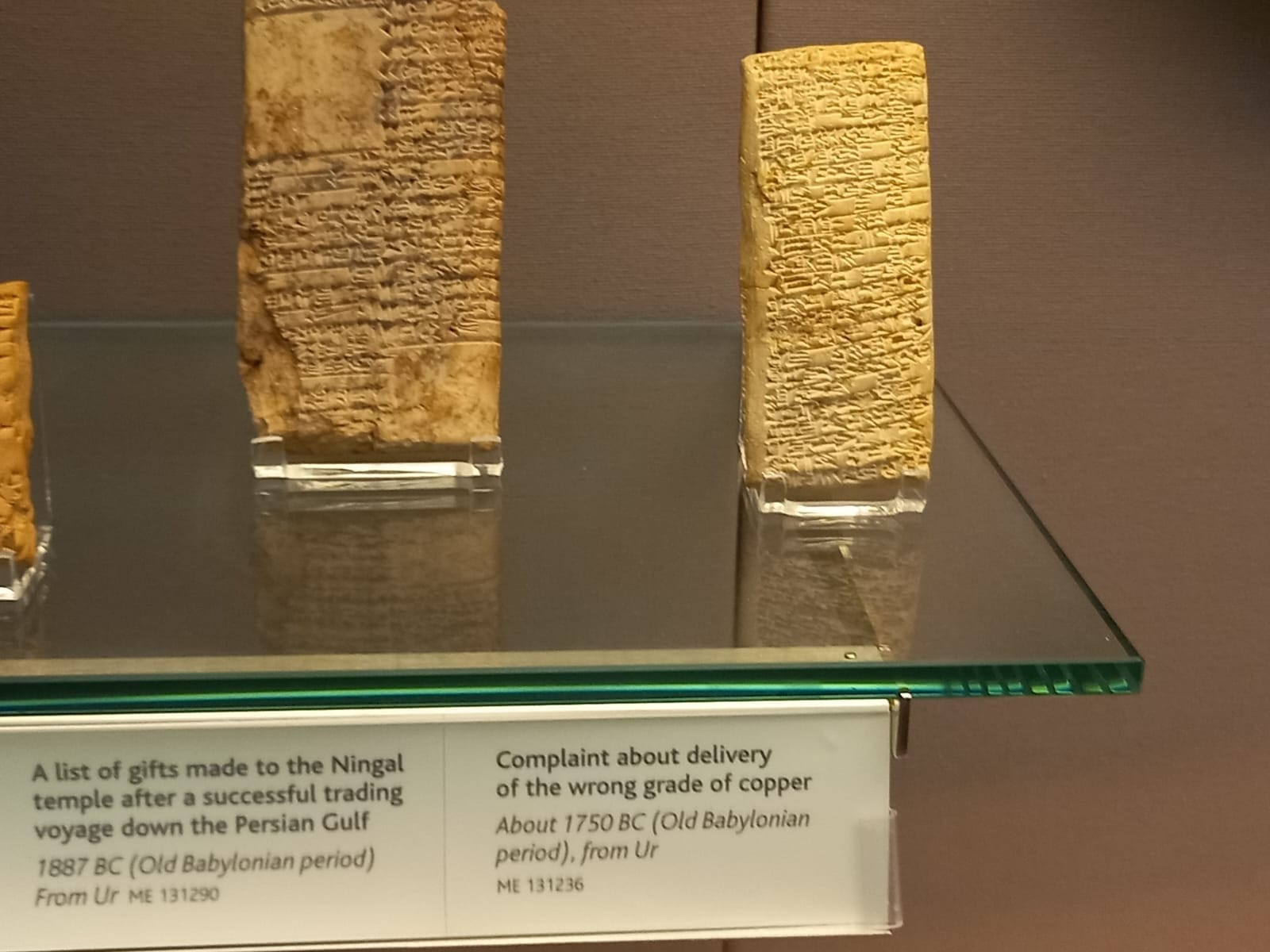
He reminds Ea-nasir that his men had made the journey for their master’s money several times, crossing enemy territory, only to return with nothing, and then he asks the question every disappointed buyer has wanted to ask at least once:
What do you take me for, that you treat somebody like me with such contempt?
Like anyone who has opened a package to find the wrong item inside, he vows that from now on he will “select and take the ingots individually” in his own yard, warning Ea-nasir, “I shall exercise against you my right of rejection.”
Guinness World Records lists the tablet as the “oldest written customer complaint,” and in true customer-service fashion, nobody knows whether Nanni ever got his money back…
2. Sick Days Under Ramesses the Great
The craftsmen who built and decorated the royal tombs in the Valley of the Kings lived in a village of their own, Deir el-Medina, and in the fortieth year of Ramesses II’s reign, about 1250 BC, someone drew up a register of their absences on a large flake of limestone. Beside each of the forty names run the dates the man was missing, and above most of them, written in red ink, is the reason.
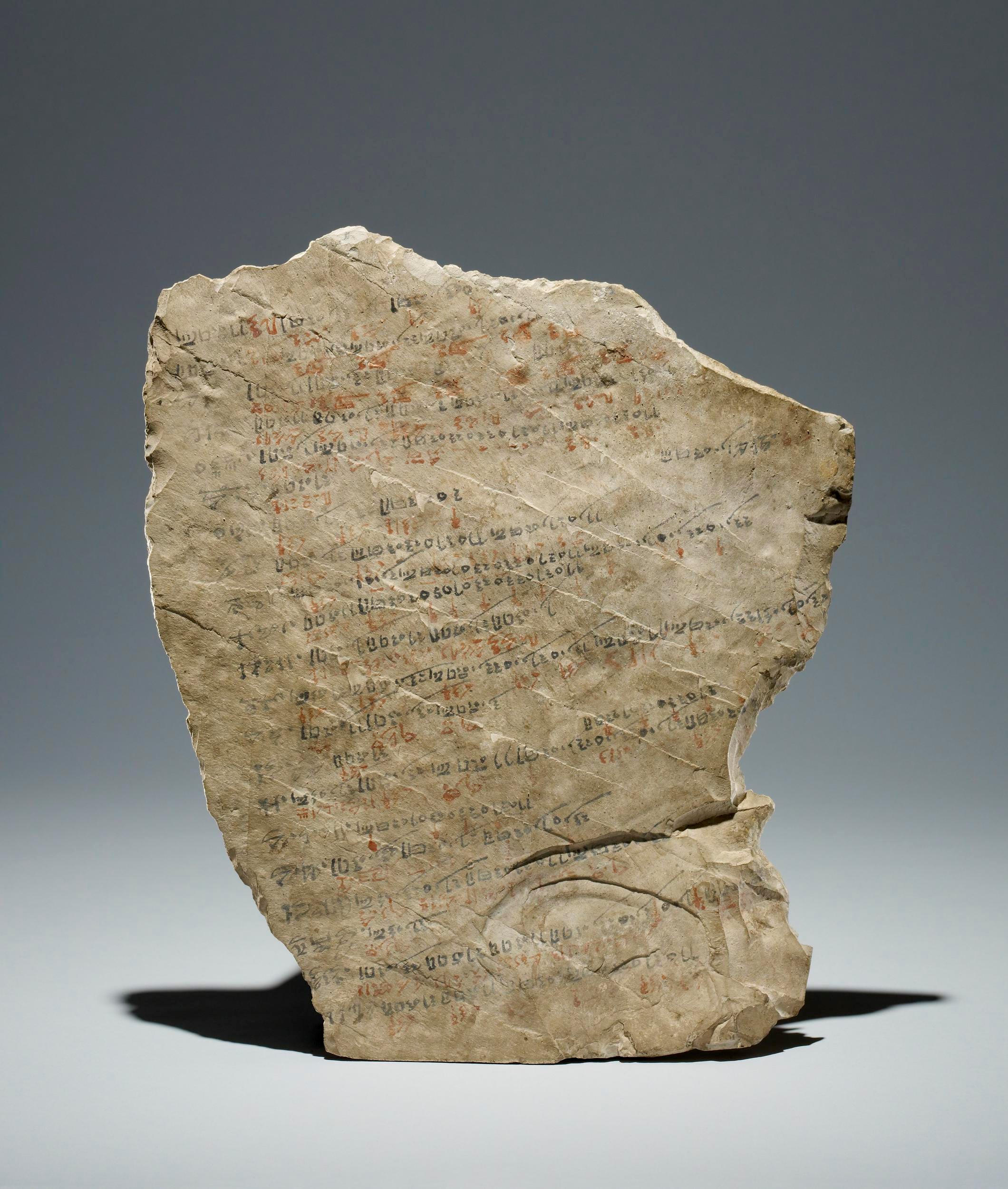
Illness comes up most often, more than a hundred times, but some of the others deserve a list of their own:
Brewing beer
Drinking with Khonsu
The scorpion stung him
Building his house
Making medicine for the scribe’s wife
Embalming his brother
The man who went drinking with Khonsu, probably a coworker, although the moon god had the same name, could hardly have imagined that his day off would make history, let alone that we would be reading about it more than 3000 years later. Somewhere along the way, brewing beer stopped getting anyone out of work, and nobody consulted the rest of us, although I doubt any boss would ask a follow-up question if you called in and said, “Sorry, I’m embalming my brother.”
All joking aside, what’s extraordinary is how little any of this needs translating, and the many entries I left off the list, about sickness and family, could have been written yesterday. Nearly everything about the way we live has been reinvented since the reign of Ramesses II, but there’s no cure for being human, and some days it keeps us home…
3. Needs Improvement
In the 2nd century AD, somewhere in Roman Egypt, a teacher wrote two lines across a wooden writing book with wax tablets, about the size of an iPad. They were Greek maxims attributed to the playwright Menander, “You should accept advice from a wise man only” and “You cannot trust all your friends,” and underneath, a pupil copied both of them twice, in a hand the British Library’s catalog calls “hesitant and still developing.”
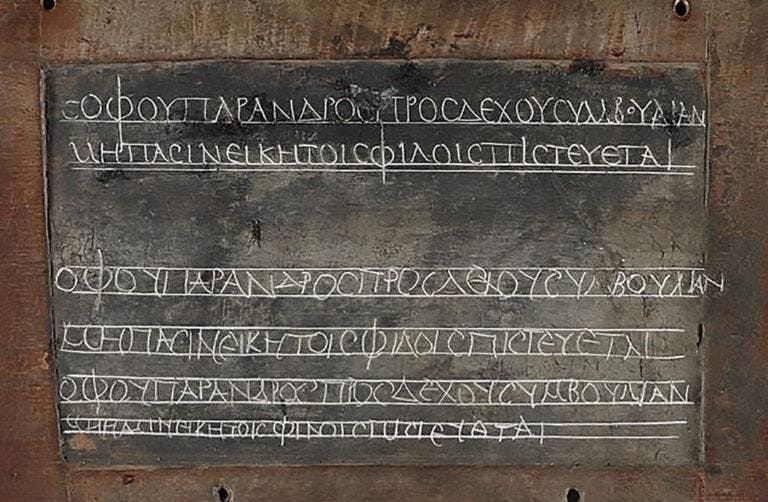
Both times, the pupil left off the first letter of the opening maxim and then squeezed the last two lines into whatever space was left, slips any teacher would recognize since in all these centuries the lessons have barely changed, and neither have the mistakes…
Even children too young for school managed to make a few, as this Roman roof tile shows:
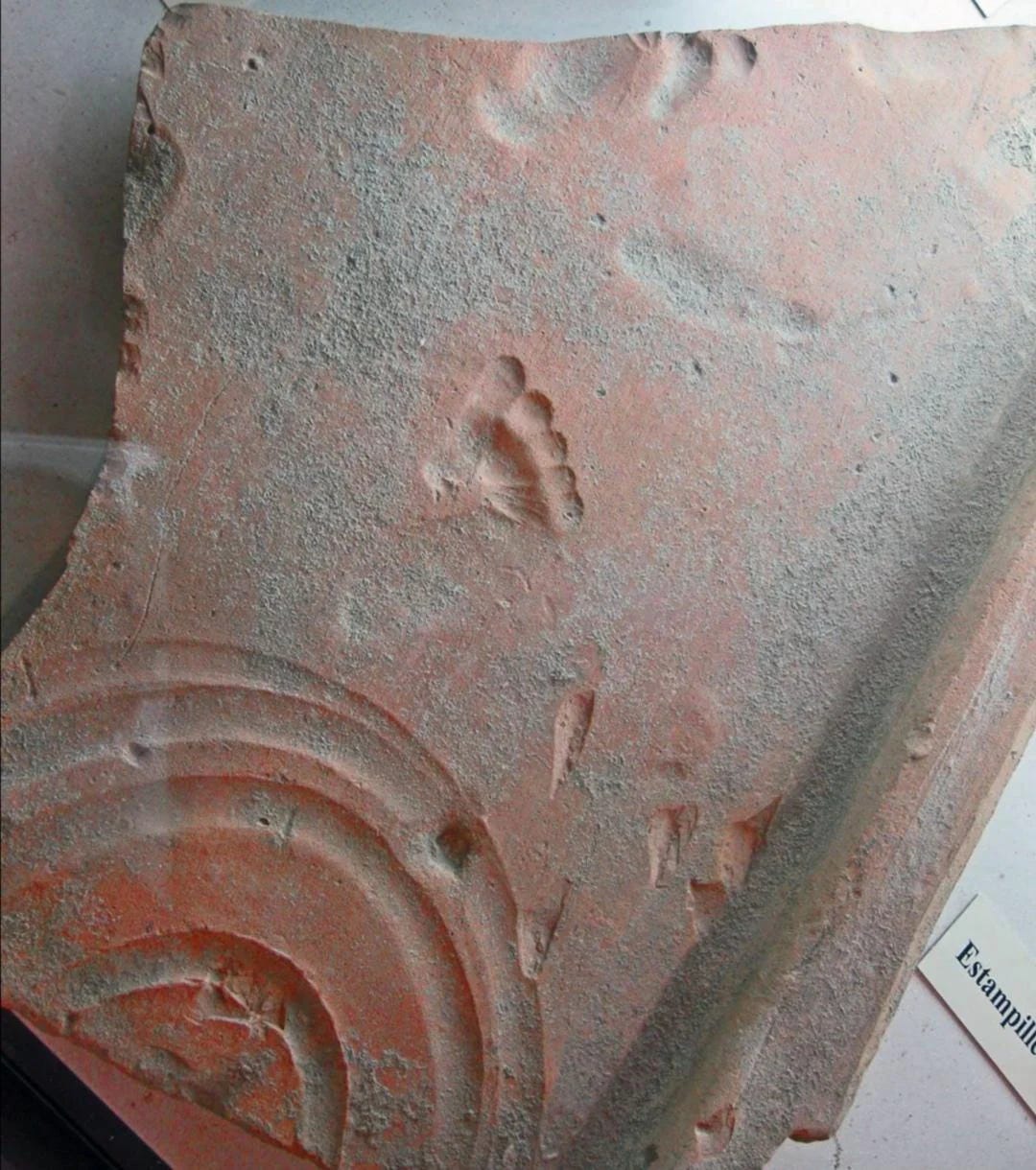
Tiles like this were laid out in the open to dry before firing, and about two thousand years ago, a child stepped onto this one barefoot, pressing in a print so clear you can count every toe.
Toddlers still make a beeline for wet cement and freshly mopped floors, and whoever caught this one probably felt the same mix of exasperation and laughter parents know today. The tile was fired anyway, toes and all, and what made someone sigh back then now makes anyone who sees it smile…
4. Waiting for a Letter
About 1800 years ago, an Egyptian soldier, Aurelius Polion, was serving in a Roman legion in Europe, probably at Aquincum, where Budapest stands today, and from there he wrote home, in Greek, to his mother, a bread seller, and to his brother and sister. He tells them he has sent six letters without a reply, and the hurt is impossible to miss:
I do not cease writing to you, but you do not have me in mind. But I do my part writing to you always and do not cease bearing you (in mind) and having you in my heart.
He worries about them, since “you never wrote back to me,” and promises that the moment they show they’re thinking of him, he will ask his commander for leave and make the journey home, a month or more on the road, “so that you may know that I am your brother.”
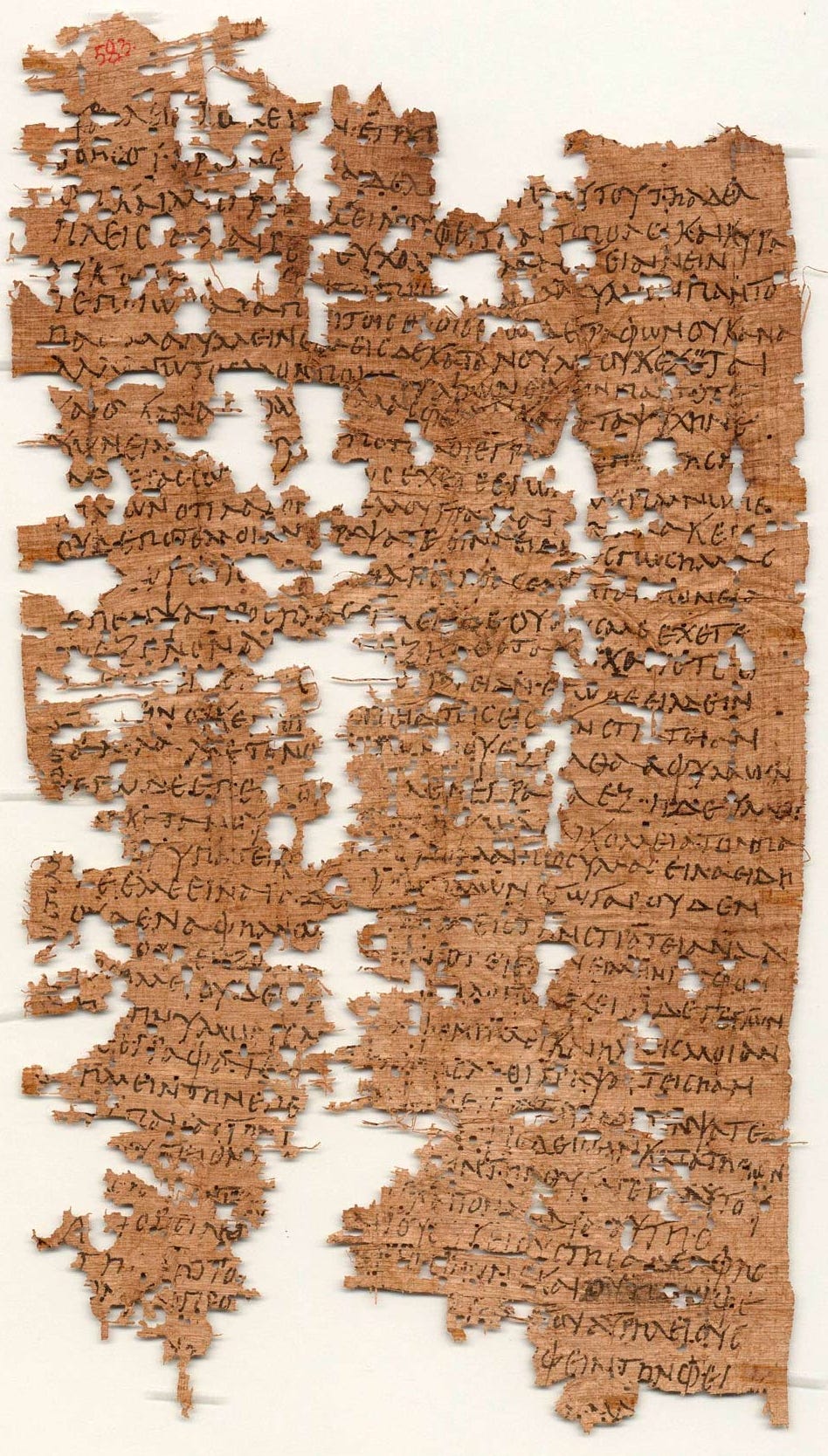
He entrusted this letter to a veteran who could pass it on to his family, and since it was unearthed in 1899 outside a temple in Tebtunis, in Egypt, it seems that whatever became of Polion, at least one of his letters made it home…
5. A Birthday at the Edge of the Empire
Claudia Severa’s birthday fell on September 11, and sometime between AD 97 and 105, she invited her friend Sulpicia Lepidina, the wife of the commander of Vindolanda, a Roman fort in the far north of Britain, to come and celebrate with her.
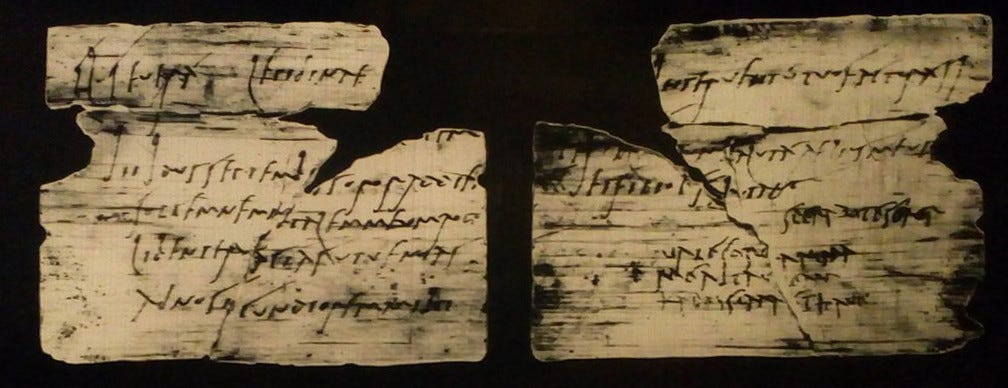
A scribe wrote most of the invitation on a thin slice of wood, asking Lepidina to “make the day more enjoyable for me by your arrival” and passing on greetings from “my Aelius and my little son,” but at the end Claudia added a few lines herself:
I shall expect you, sister. Farewell, my dearest soul, as I hope to prosper, and hail.
Her lines are written in a less polished hand than the rest, and they are almost certainly the earliest known Latin in a woman’s own handwriting. She could easily have left the farewell to the scribe, but some words we’d rather write ourselves, the same urge that makes us scribble a few lines inside a store-bought birthday card…
6. Before We Could Write
In the canyon of the Río Pinturas, in Argentine Patagonia, the walls of a cave are covered with hundreds of hands, painted with what was, in effect, prehistoric spray paint. Each artist pressed a hand against the rock and blew pigment around it through a hollow bone. The oldest paintings there go back more than 9,000 years, and for millennia afterward, new generations kept adding their own…

Aleksandr Solzhenitsyn, who won the Nobel Prize in Literature in 1970, wrote in the lecture he sent to the Swedish Academy that “archaeologists have not discovered stages of human existence so early that they were without art.” It’s a deeply human instinct, the desire to create, to leave a mark and be remembered, and every one of those hands still says the same thing: “I was here.”
Even older are the lines in the cave of Rouffignac, in France, known as the Cave of a Hundred Mammoths, where at least 13,000 years ago people ran their fingers through the soft surface of the walls and ceilings, around and over the mammoths drawn there. When researchers measured the width of the fingers that made them, they found that many belonged to children between three and seven years old, and that the most prolific of them was almost certainly a girl of about five. Some of the lines run so high across the ceiling that the children must have been held up, or carried on someone’s shoulders, to make them…
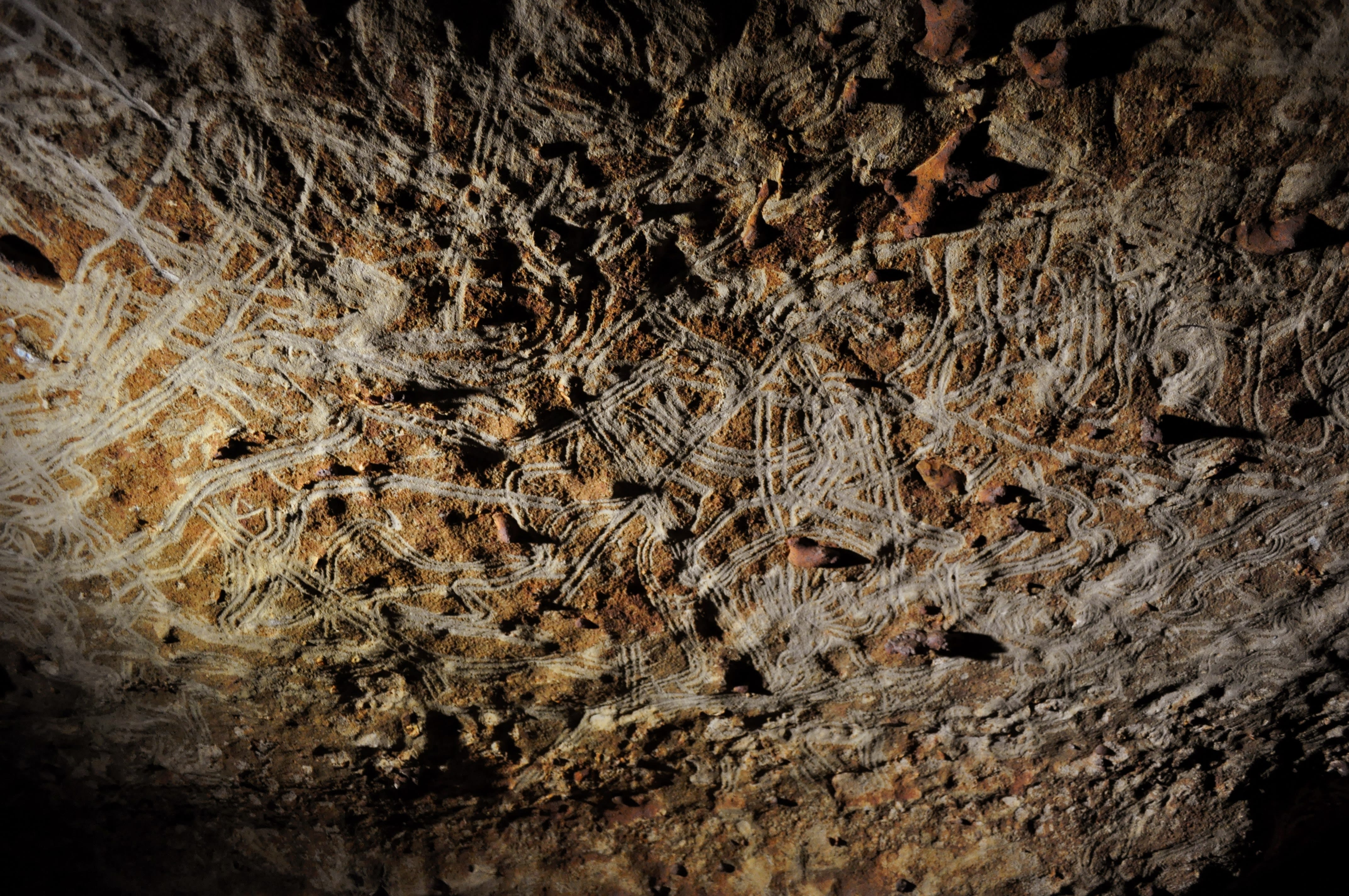
If you’ve ever held a child up to see a parade or touch a ceiling, you know that feeling, their weight in your arms and their laughter just above your head, and so did the grown-ups of Rouffignac. The past may be a foreign country, as Hartley wrote, but no one who has lived that moment would ever be a stranger there.
Every week I write about masterpieces made for popes and kings, yet those finger marks on a cave ceiling may tell us more about why we make art than any of them. They always remind me of the words Kahlil Gibran addressed to parents in The Prophet, published in 1923:
You may house their bodies but not their souls, for their souls dwell in the house of tomorrow, which you cannot visit, not even in your dreams.
We can shelter our children and keep them safe, but who they become belongs to a future that will never be ours. The grown-ups of Rouffignac couldn’t visit that tomorrow either, but they raised their children toward it anyway, and now we are the ones living in it. Think of them the next time you see a child’s drawing on a refrigerator door, and of the first person who ever proudly displayed one of yours.
For me, it was my mother, who spent countless afternoons drawing and painting with me until our kitchen wall was covered in color. I’ve always thought that hanging a child’s art on a wall tells them that what they made is worth keeping, and so are they. Art has been passed on that way for at least thirteen thousand years, by people lifting the ones they love toward a tomorrow they will never see, and each of us is someone’s tomorrow…
Thanks for reading. Everything here, the research, the writing, all of it, is made by one person, with no team behind it, and no ads or sponsors influencing a single word. That independence is only possible because of my readers. If these pieces mean something to you, please consider becoming a paid subscriber for a few dollars a month, and unlock the full archive:
Every subscription genuinely makes a difference.
Thank you for helping keep this work alive.
Beautiful essay! You are so right; we are so caught up in the "important people" of the past that we forget about everyone else. Their lives may not be as flashy, but they also lived a human existence. We'll done!
So incredibly interesting, and as others have already said, so beautifully composed and written! Thank you, James, you are a lifeline to actual (as opposed to data-driven) living.