


Not all ideas travel easily between languages. Sometimes, a single foreign word can express what would otherwise take sentences to unpack.
There is a term that captures this perfectly: Burgenromantik. Say it slowly. Even if you don’t speak a word of German, you can feel it… something old and heavy, something that smells of rain-soaked stone and woodsmoke.
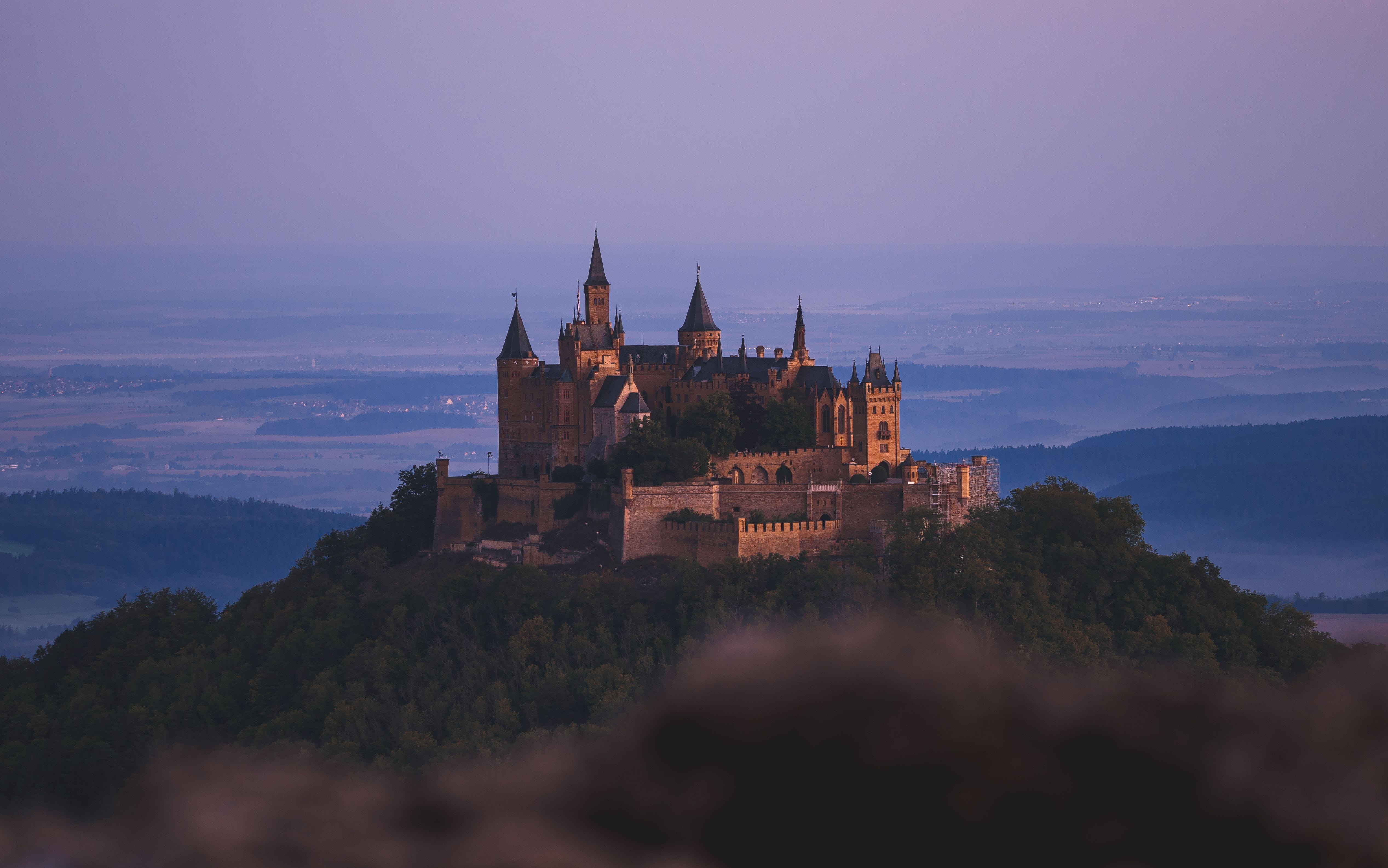
The Germans found a single word for something the rest of us need an entire paragraph to explain: “castle romanticism.” It names a 19th-century architectural fashion in which many castles were constructed or reconstructed, marrying Burg — the medieval fortified castle — with Romantik.
It is not just a building style but an emotional condition: the longing for ivy-clad ruins, for Gothic silhouettes against a darkening sky. Neuschwanstein — the castle that became Disney’s model — is its purest expression, designed as the Romantic ideal of a knight’s castle.
Burgenromantik basically contains your entire life’s love of castles in a single word.
But what is a castle, exactly? The word descends from the Latin castellum — a diminutive of castrum, meaning “fortified place” — and from that single root grew the French château, the Spanish castillo, the Italian castello. German, characteristically, refuses to let one word do: a Burg is a fortress built for a world where violence arrived on horseback, while Schloss is its civilized descendant, designed not to repel but to impress.
The first European castles appeared in the 9th and 10th centuries, after Charlemagne’s empire fell apart and power passed into the hands of regional lords. They built in stone for two reasons at once: to dominate the land around them, and to defend it. The scale of what followed is staggering...
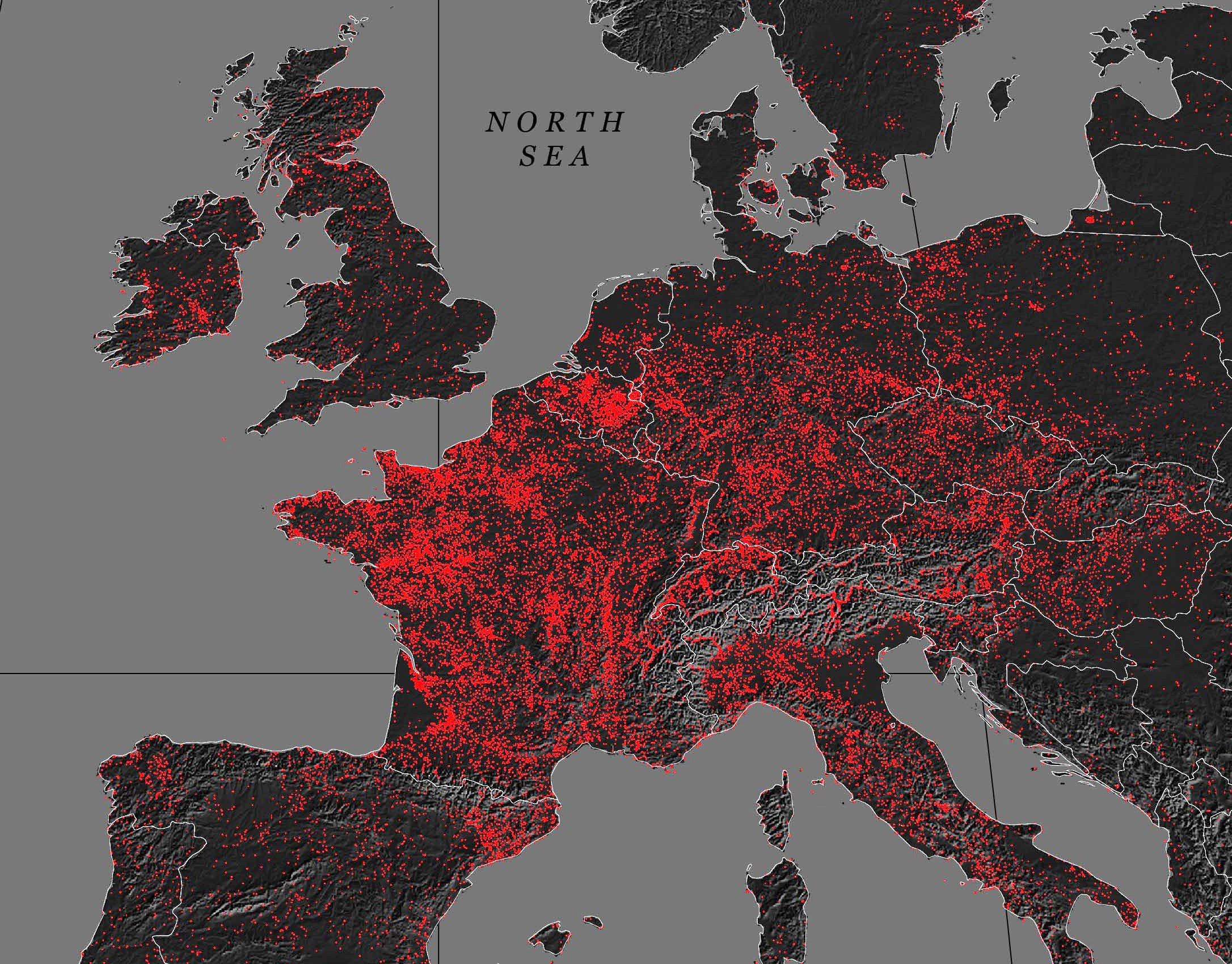
It has been estimated that between 75,000 and 100,000 castles were built in western Europe during the medieval period. Around 1,700 in England and Wales alone. In 950, Provence was home to just 12 castles. By 1000, the figure had risen to 30. By 1030, it was over 100.
They evolved from timber towers on earthen mounds into the great concentric fortresses of the High Middle Ages, growing more formidable with every generation until, in the 15th century, artillery became powerful enough to break through stone walls, and the medieval castle went into decline.
It was precisely when castles ceased to be necessary that the world began to truly fall in love with them — and, in some cases, to build them again, sometimes with breathtaking results.
Here are 10 of the most stunning castles on the planet…
REMINDER: this is a teaser for my subscriber-only articles.
Beauty is Truth is entirely reader-funded. No ads, no sponsors to answer to — just independent writing devoted to finding and celebrating beauty.
If you’ve been thinking about supporting my work, becoming a paid subscriber is the most meaningful way to do it:
Upgrading gives you full access to all paid articles and the entire archive. With the new annual subscription discount, it costs less than a coffee a month. And it is what keeps all of this going.
1. Where the Middle Ages Never Ended
There is a castle in the forested hills above the Moselle river in Germany that has belonged to the same family for 900 years…
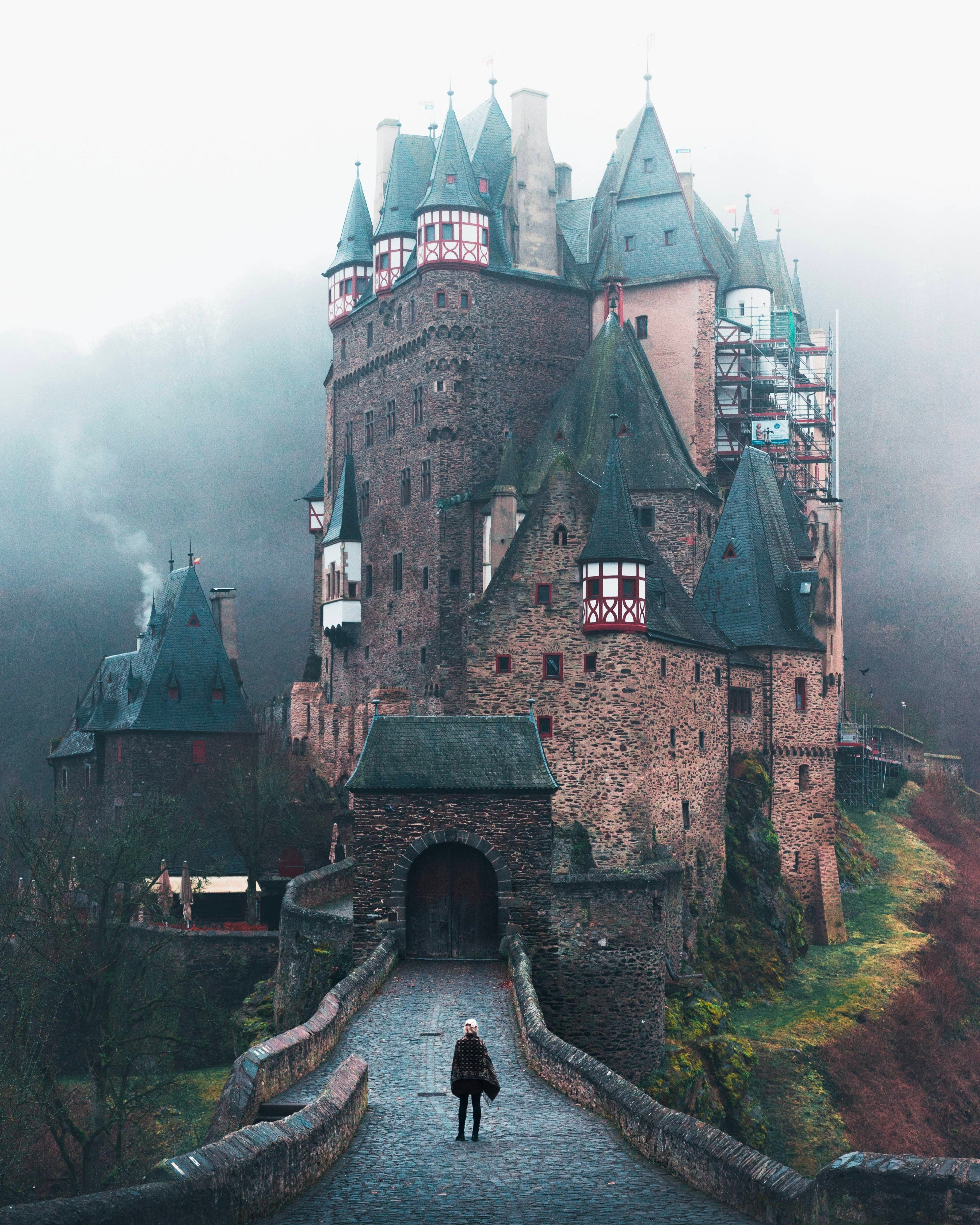
Not the same dynasty in name only, not a branch of a distant cousin — the same family, in the same rooms, through thirty-four generations. The current custodian of Burg Eltz is Count Johann-Jakob zu Eltz. His ancestor built this place in the 12th century. He probably has furniture older than most countries.
There are very few castles in Europe of which this can be said. There are even fewer of which something else can be said: that the castle has never been destroyed.
In a region where the Thirty Years’ War, the French invasions, and centuries of feudal warfare reduced nearly every other fortress to ruins, Eltz Castle endured a single serious siege between 1331 and 1336 — and even then, was never taken, never burned, never abandoned. The suits of armor inside are still where they were placed centuries ago…
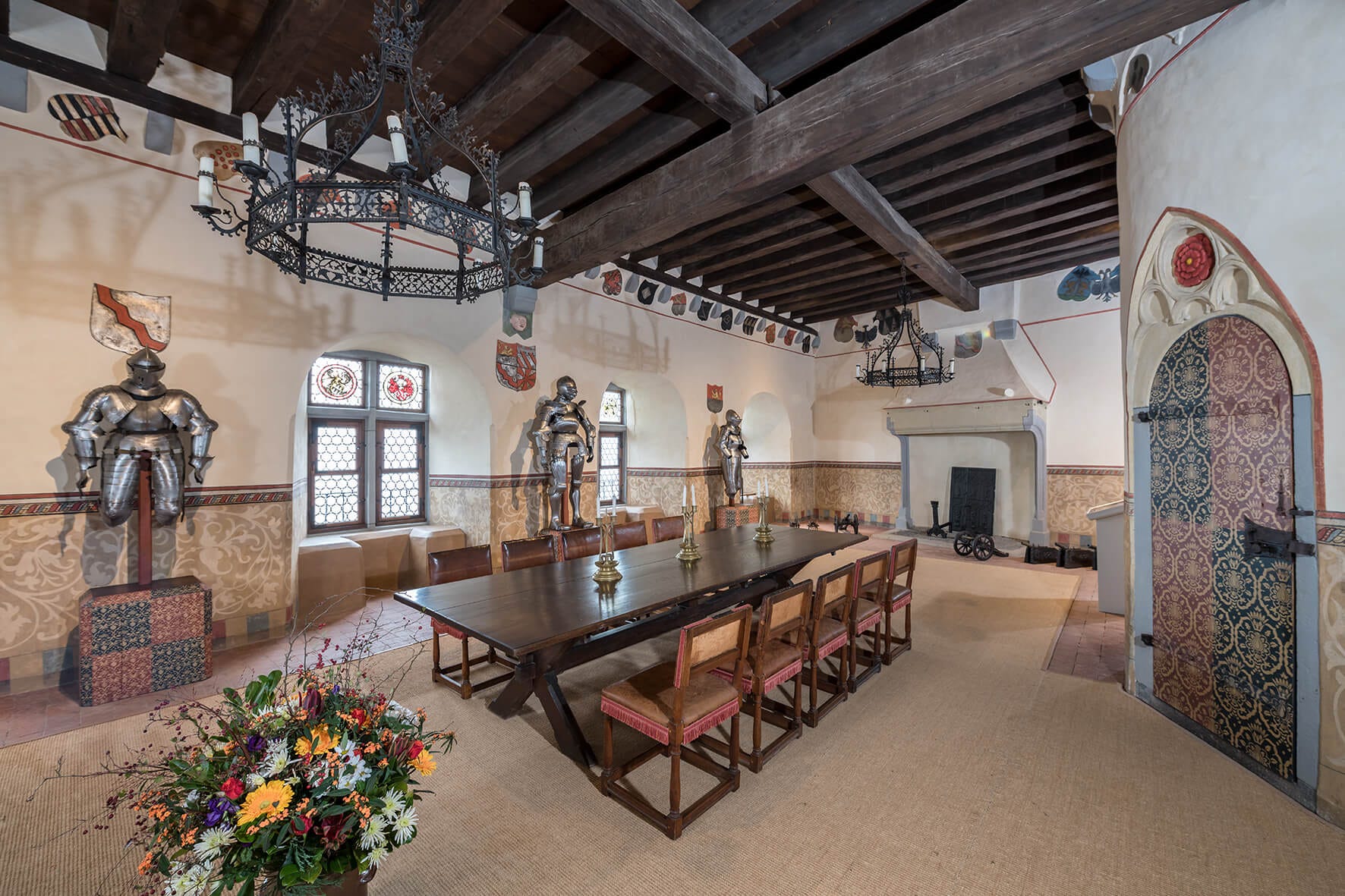
Burg Eltz contains roughly 120 rooms, an armory holding the oldest surviving cannon bolts in the world, and a treasury full of objects collected across eight centuries of uninterrupted family life.
Set in the middle of a forest, deep in a valley, far from any modern road or building, it remains the closest thing to a medieval dream that still stands. The German art historian Georg Dehio called it “the quintessential castle.”
Most of these structures in Europe are beautiful ruins or careful reconstructions. Eltz is a magnificent home — likely the oldest, continuously inhabited home most people will ever set foot in.
2. The Castle That Disappears Twice a Day
Off a stretch of European coastline, there is a granite island so dramatic and so improbable that for centuries people refused to believe it was real.
It rises sharply out of the sea, crowned by a medieval castle and chapel that have looked down on the Atlantic for nearly nine hundred years.
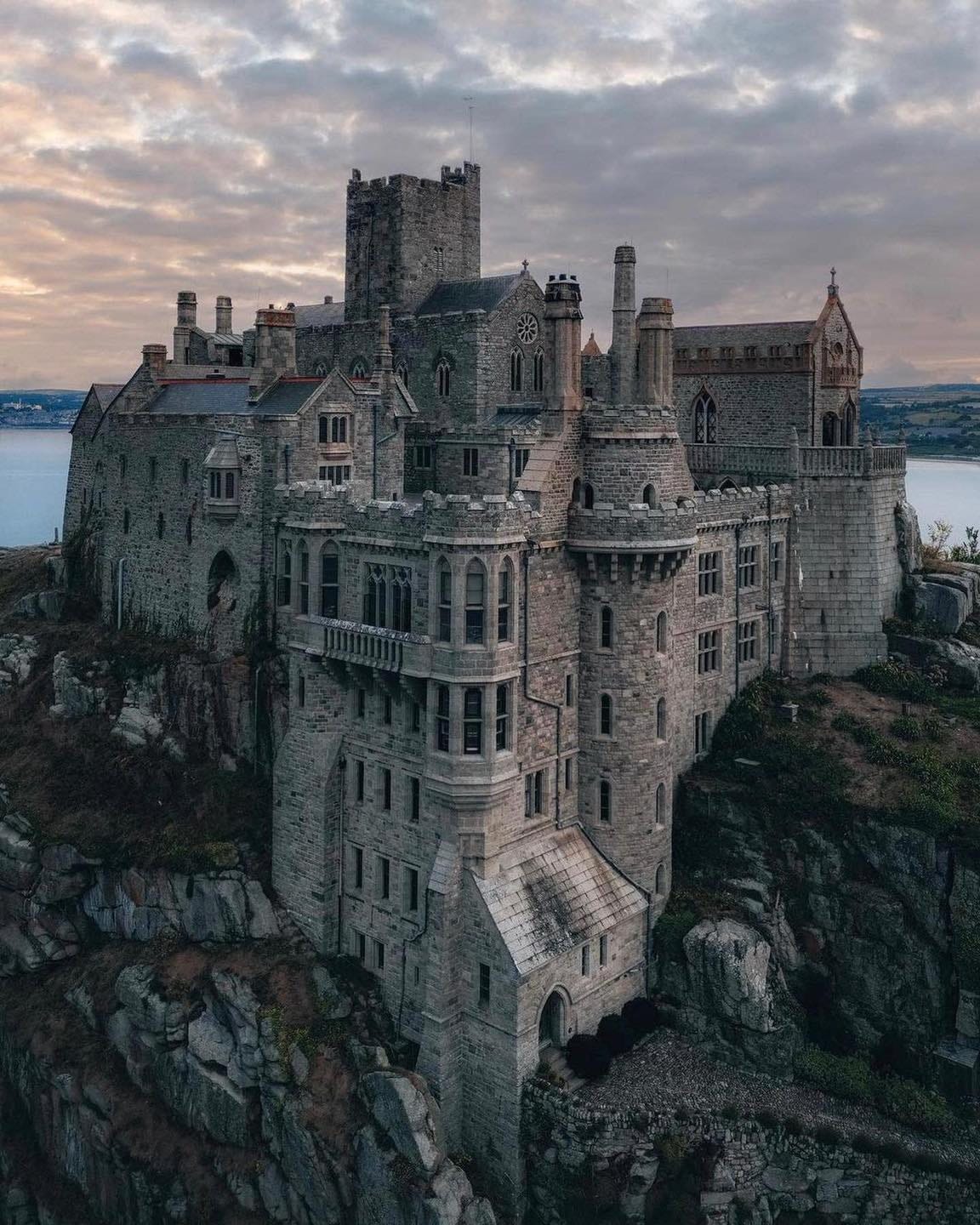
But what makes it truly extraordinary is what happens to it twice every single day…