


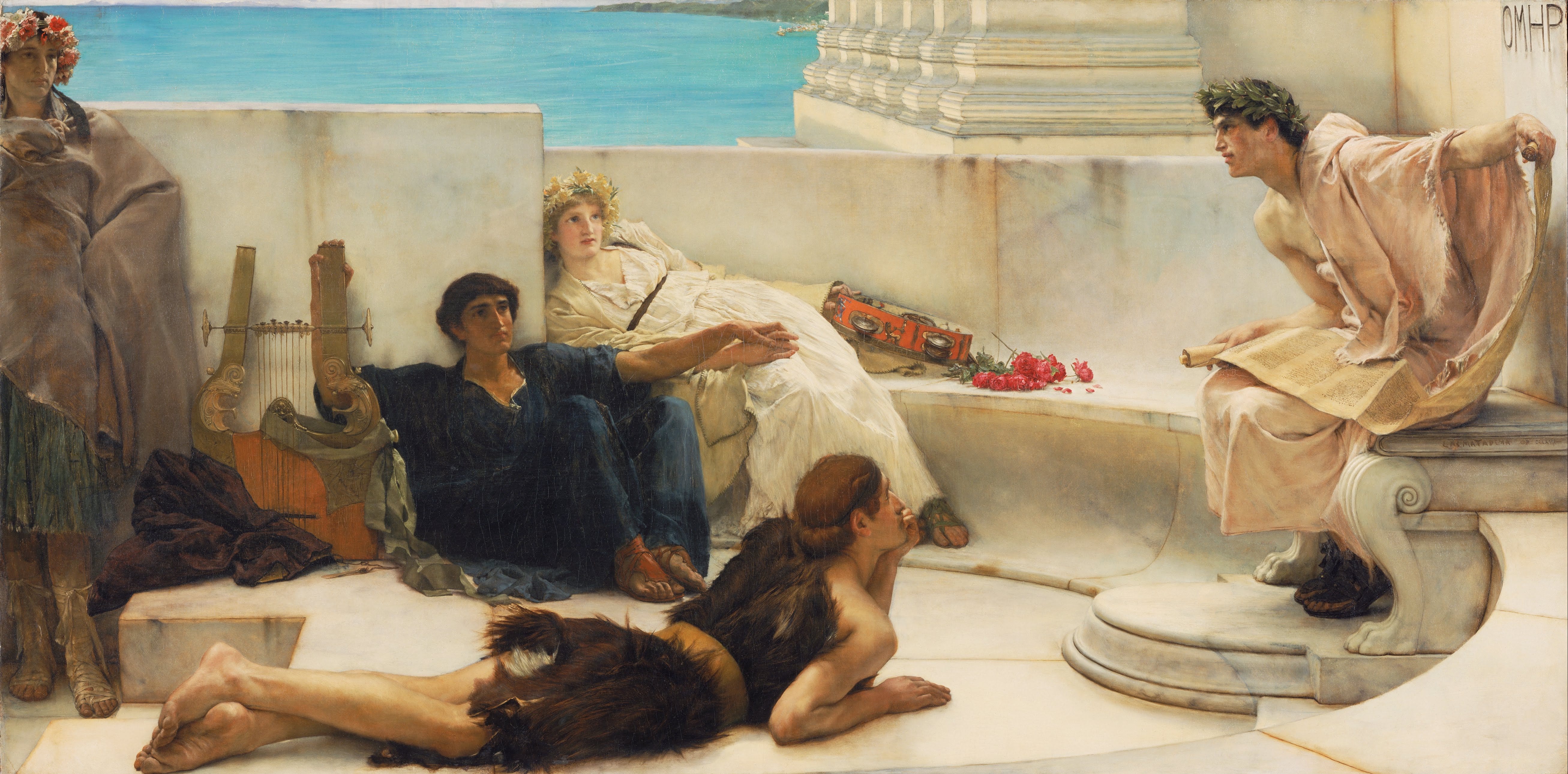
There is an unfair truth at the heart of art history: being one of the greatest painters who ever lived, and being remembered as one, are two completely different things...
Most people know the same handful of names. Da Vinci. Picasso. Monet. They shine so brightly that it is easy to assume that fame is a natural hierarchy: the very best rise to the top, while everyone else settles where they belong.
But that is not how it works.
Reputation is not the same as talent. Fame is its own skill, made of timing, luck, self-promotion, the right patron, the right city, and a hundred accidents that have nothing to do with what a person could do with a brush. The poet Emily Dickinson, who published almost nothing in her lifetime and became immortal only after her death, put it perfectly:
Fame is a fickle food upon a shifting plate.
The examples are everywhere. Van Gogh, as we saw last week, died unknown and became a legend only after he was gone. One of the six artists you are about to meet was called “the world’s greatest living painter” in his own lifetime, and today, outside Spain, he’s a stranger to almost everyone but the art world. Even Caravaggio fell out of fashion for centuries before we rediscovered him...
If fame is this unreliable, we need a better way to judge a painter. And there is one, hidden in a word we reach for in front of a great painting: masterpiece. We use it loosely now, to mean simply something wonderful. But it began as a precise thing. In the old craft guilds of Europe, an apprentice who had trained for years would make one work, a single object, and submit it to the masters. If it proved he could do what only a true expert could do, he was granted the title himself. That was the meesterstuk: the masterpiece. Not just a beautiful thing, but proof of true mastery of the craft.
What follows are 6 painters who made masterpieces in the oldest, truest sense. Some of these paintings are so beautiful you will find it hard to believe their makers aren’t household names, and harder still to believe no one ever showed them to you before…
REMINDER: this is a teaser for my subscriber-only articles.
Beauty is Truth is entirely reader-funded. There are no ads here, just independent writing devoted to celebrating beauty. And it can only continue with your help.
If my posts have meant something to you, becoming a paid subscriber is the most meaningful way to support this work. With the new annual subscription discount, it costs less than a coffee a month. Join here:
Gift subscriptions to Beauty is Truth are now available too:
1. The Man Who Could Paint Sunlight
In 1909, a Spanish painter arrived in New York for a solo exhibition and something close to mania broke out. Nearly two hundred paintings sold in a matter of weeks. Crowds queued in the snow to get in. Within a few years he had painted the President of the United States, been made a member of every academy that mattered, and been called by Claude Monet, who knew something about the subject, “the master of light.”
His name was Joaquín Sorolla, and he had come a very long way to get there. He was born in Valencia in 1863, the son of a shopkeeper, and orphaned at two when a cholera epidemic took both his parents in the same summer. He was raised by an aunt and uncle who apprenticed him to a locksmith, hoping he would learn a sensible trade. He was hopeless at it. What he could do, obsessively and from the beginning, was paint the sea he had grown up beside, and specifically what the sun did to it: the way strong Mediterranean light bleaches and refracts, throws violet into the shadows, and turns wet skin into pure light. Nobody in the history of painting has done it better.
The Horse’s Bath shows a boy leading a white horse back out of the sea at Valencia, both still streaming with water, the sun burning along the boy’s bare shoulder and the horse’s dripping flank and shattering across the shallows until the wet sand gleams like a mirror.
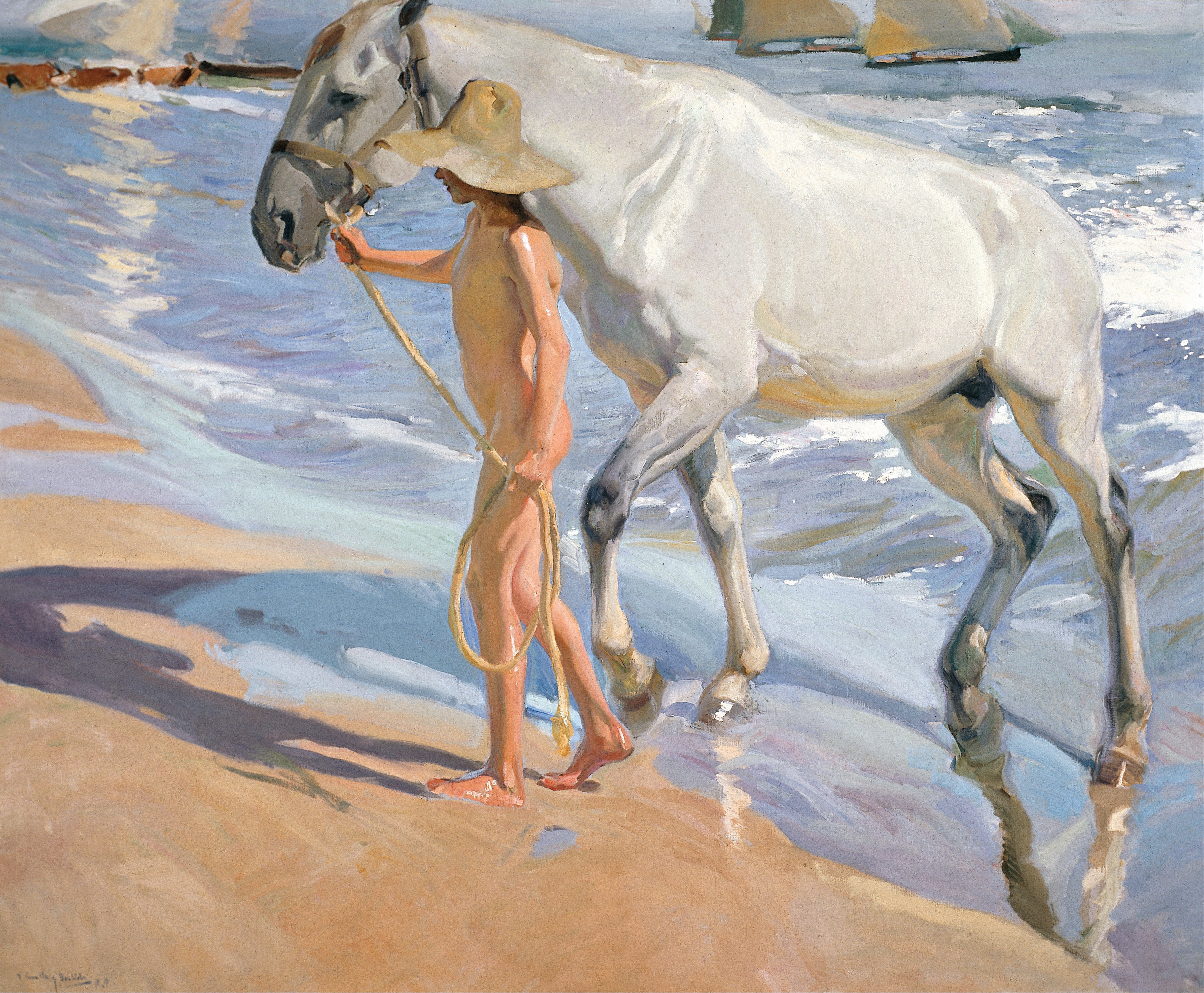
He painted it on a canvas over two meters wide, with fast, almost careless-looking strokes that dissolve, the moment you step back, into the most convincing sunlight anyone has ever achieved.
It is one of the hardest things in all of painting, and he made it look like play.
Then, in 1920, he had a stroke while working in his garden and never held a brush again. He died three years later. By then the art world had already turned to Modernism, which decided that beauty like this was sentimental and beside the point, and within a generation the most acclaimed painter in the world was simply forgotten. When the Prado finally gave him a retrospective in 2009, nearly half a million people came. Outside Spain, most of them had never heard his name…
2. A Fall From Grace
The man who painted this was, at his death, one of the most celebrated artists on earth, knighted by a queen and richer than almost any painter alive. Thirty years later his masterpieces were selling for the price of the frame.
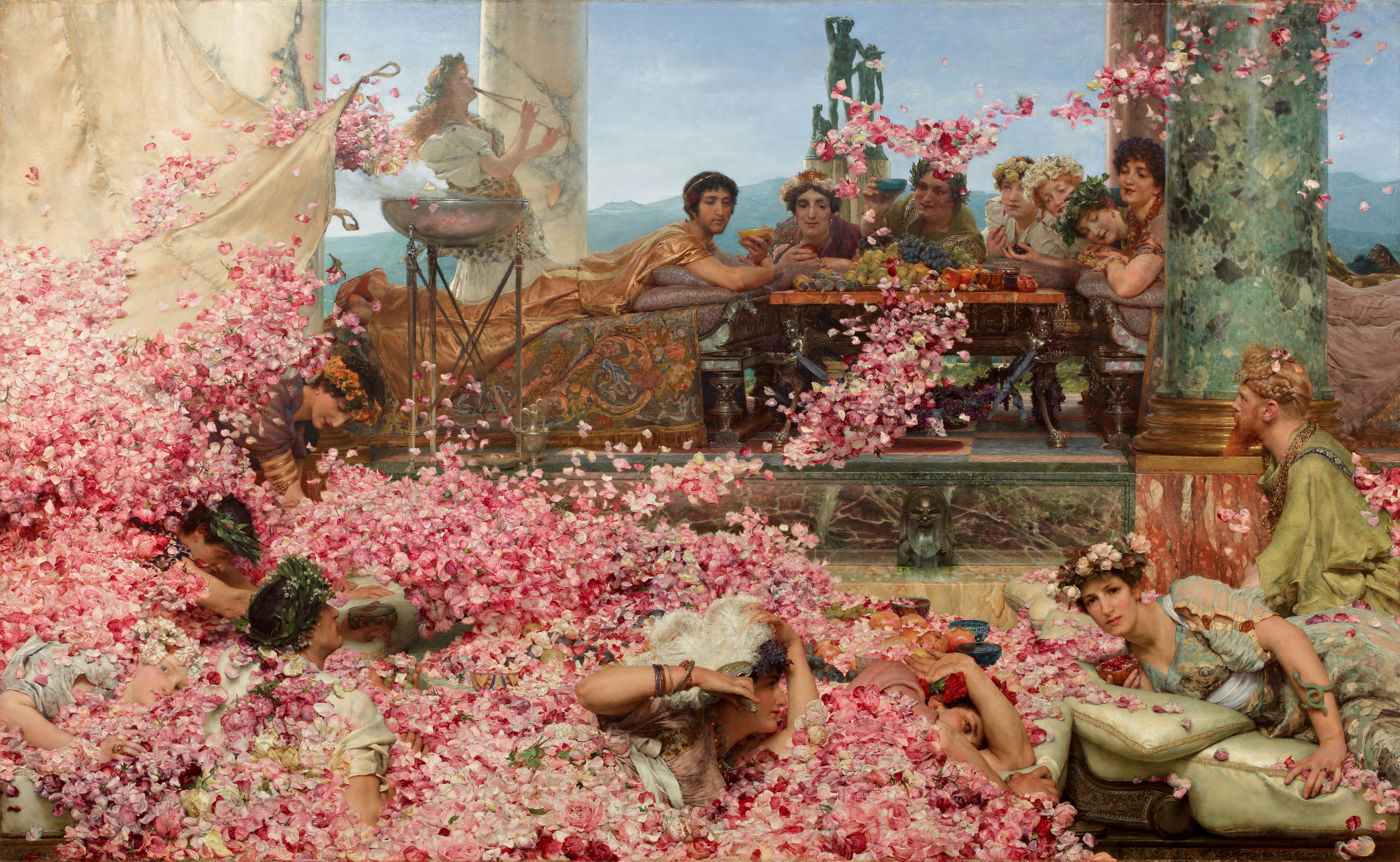
And this, possibly the most beautiful painting in the entire article, is hiding something you will not be able to unsee. To get it exactly right, he did something genuinely unhinged, for four straight months...