


G.K. Chesterton wrote a line, more than a hundred years ago, that I think about all the time:
The world will never starve for want of wonders; but only for want of wonder.
I think he was right. The wonders are still here. We are the ones who have gotten busy, distracted, and a little numb. We scroll past photographs of places that should stop us in our tracks and feel almost nothing, because a screen flattens everything it touches into the same small rectangle of light. And lately there is something else that bothers me even more. Call it the AI problem: we have started to mistrust anything that looks too astonishing to be real. The sad part is that, more often than not, we are right to…
But every now and then a place breaks through anyway. You see it, and you immediately ask the same two questions: how is that real, and how did people make it?
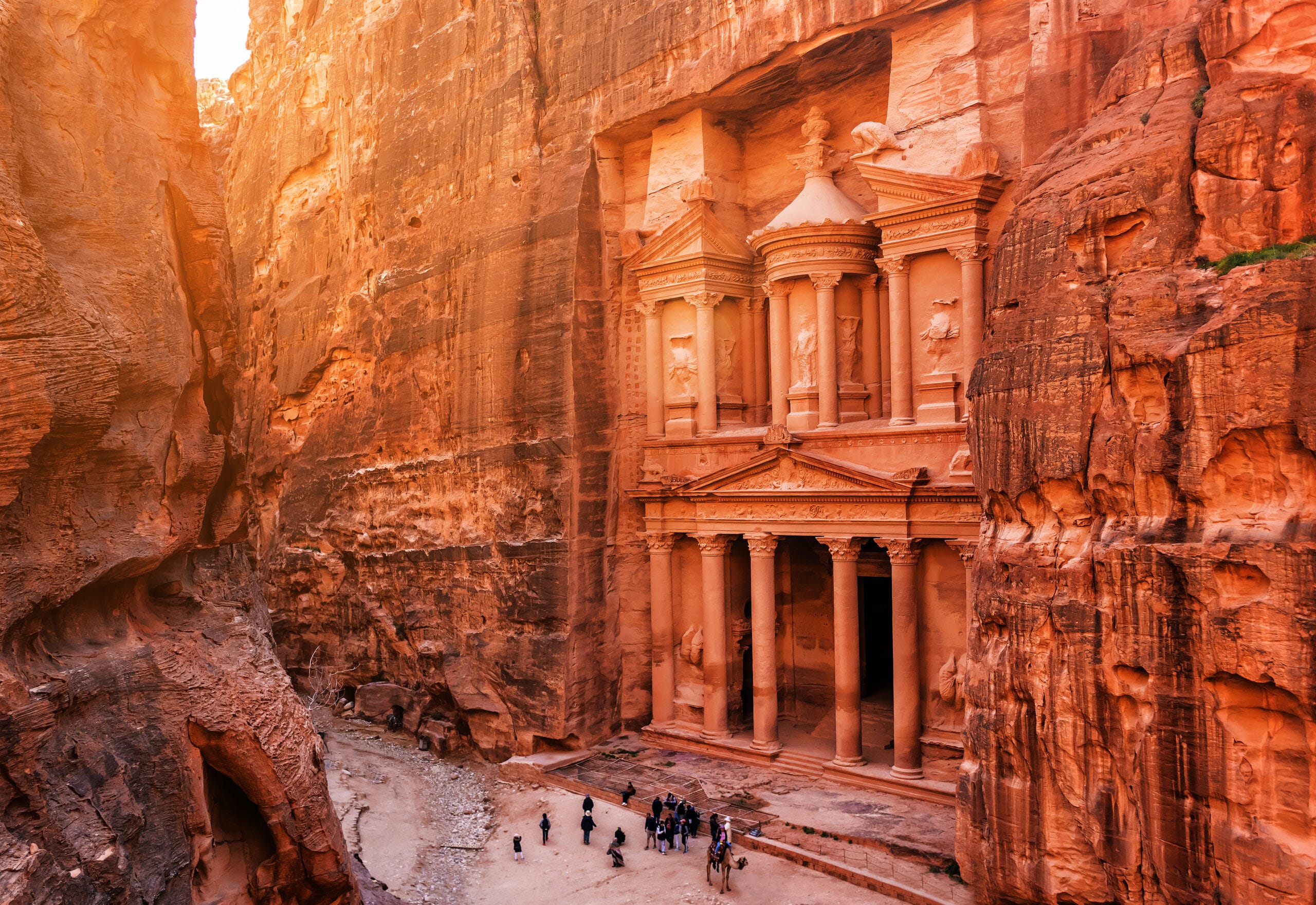
Because there are places on this earth that had no business existing where they do. Every reason in the world said not to attempt them. Someone tried anyway, and in some cases, the difficulty seems to have been the point. The challenge itself was what gave the work its meaning. As Albert Camus once wrote:
The struggle towards the heights is enough to fill a man’s heart. One must imagine Sisyphus happy.
What follows are 5 of those places. Some took a lifetime to complete. Some took longer than a lifetime, which means the people who began them knew, with total certainty, that they would die before the work was done. As Frank Lloyd Wright once said, architecture at its greatest is “the triumph of human imagination over materials, methods, and men.” These 5 wonders are what that triumph looks like…
REMINDER: this is a teaser for my subscriber-only articles.
Beauty is Truth is entirely reader-funded. There are no ads here, only independent writing devoted to celebrating beauty.
If you’ve been thinking about supporting my work, becoming a paid subscriber is the most meaningful way to do it:
With the new annual subscription discount, it costs less than a coffee a month — and it’s what keeps all of this going.
Gift subscriptions to Beauty is Truth are now available too:
1. Closer to Heaven Than to Earth
In the plains of Thessaly, in central Greece, enormous pillars of sandstone rise straight out of the earth, some of them climbing more than 400 meters above the plain. They look less like rock formations than like a forest of stone, shaped over roughly sixty million years from the sediments of an ancient river delta, later split and sculpted by earthquakes and erosion into shapes that should not be able to support anything at all. On top of six of them, against every imaginable instinct, humans built monasteries that are still there today…
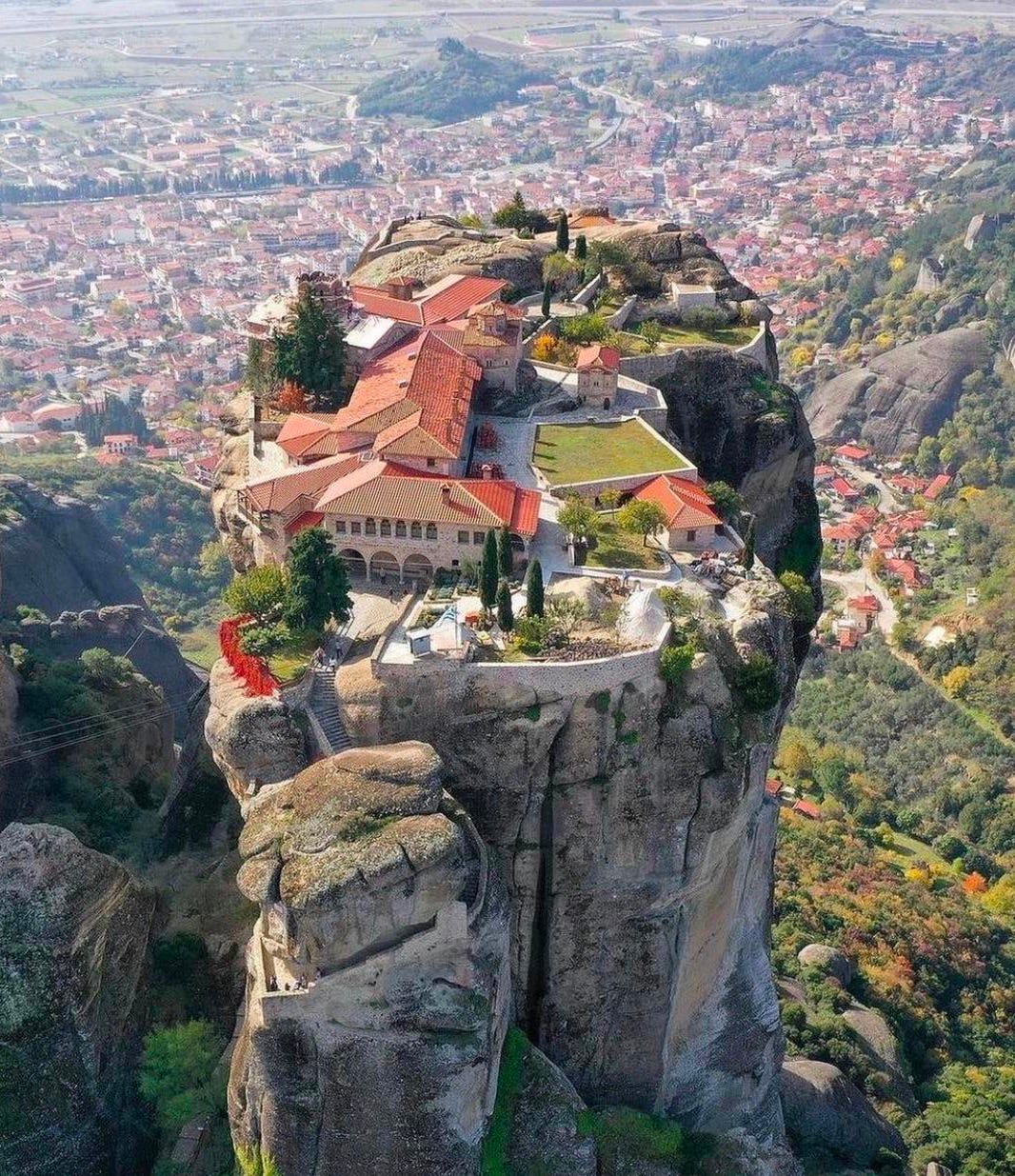
They are called Meteora — from the Greek meteoros, “suspended in the air” — and the name is almost literal. Monks first settled on these pinnacles from the 11th century onward, living as hermits in the caves and fissures of the rock. By the 14th century, they began building on the summits themselves, seeking solitude and refuge during the turbulent decline of the Byzantine world and the rise of Ottoman power in the region.
Between the 13th and 16th centuries, twenty-four monasteries were built on peaks that, at the time, had no stairways, no roads, and in many cases no obvious way up at all. The first and greatest, the Great Meteoron, was founded around 1356 by a monk known as Athanasios the Meteorite, and it remains the largest of them all. In 1988, UNESCO inscribed Meteora as a World Heritage Site, noting that the monasteries were built “despite incredible difficulties.”
The phrase is an understatement. Until the early twentieth century, the only way to reach most of the monasteries was to be hoisted up the sheer cliff face in a net, pulled by hand on a rope wound around a wooden winch by the monks above. Building materials, food, supplies, and people all arrived the same way, swinging in the open air, hundreds of meters above the ground. The monks themselves climbed by long, removable wooden ladders that they drew up behind them.
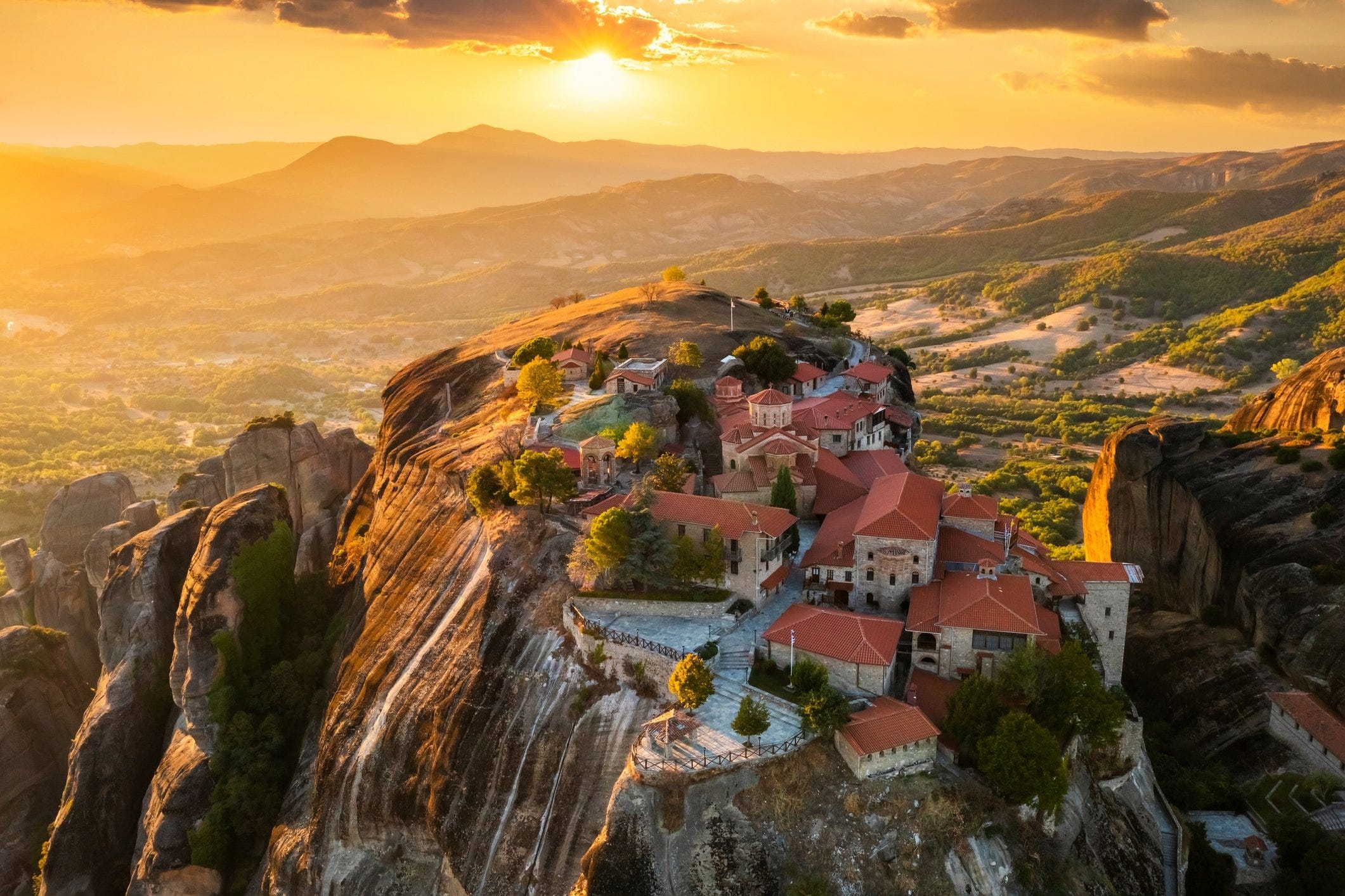
A visiting traveler once asked how often they replaced the ropes that hoisted people up. The reply, as the story goes, was that they replaced them only when they broke.
Today, narrow staircases carved into the stone in the 1920s make the six surviving monasteries accessible to visitors. But standing at the foot of one of those pillars and looking up — at a small church balanced on a peak the wind has been polishing for sixty million years — the wonder is no longer about how. It is about what kind of soul looks at the impossible and decides that is where home should be…
2. Cut as Cleanly as a Laser
This is not AI. You are looking at something in northern Ethiopia. The question is not what it is. The question is: how could anyone have made this?
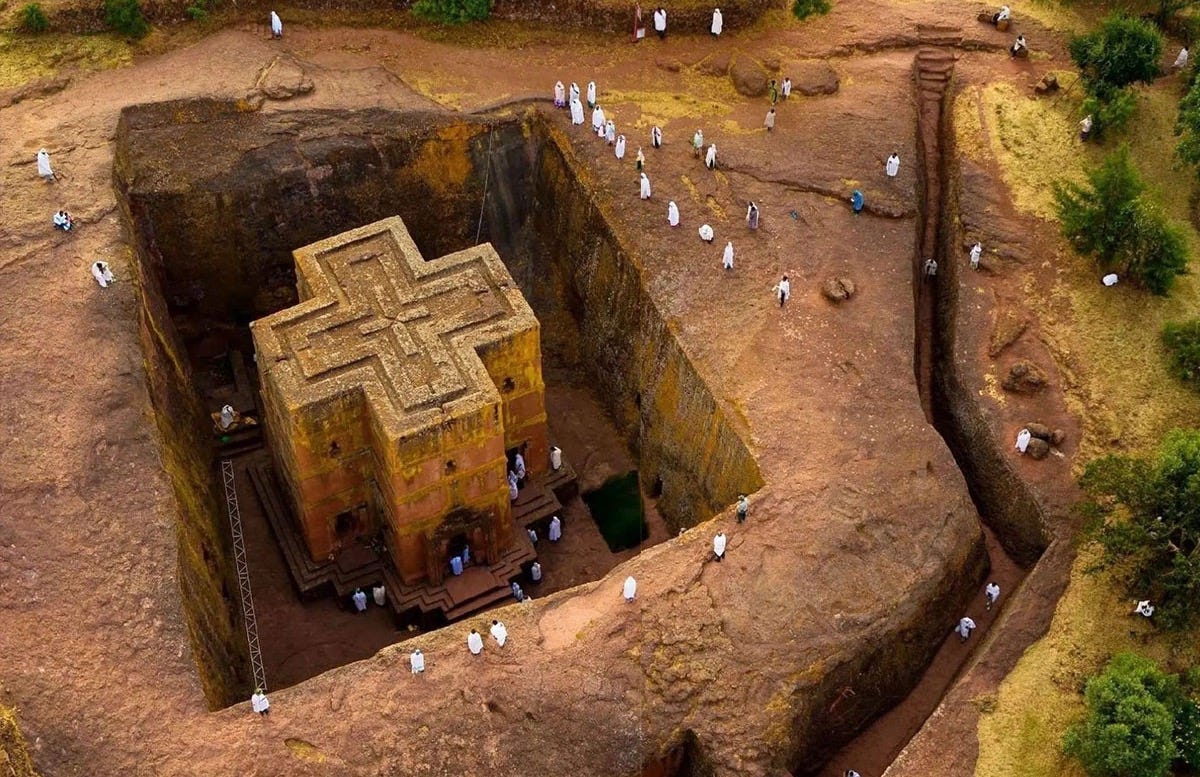
The answer, more than eight hundred years old, is stranger than anything you might imagine…