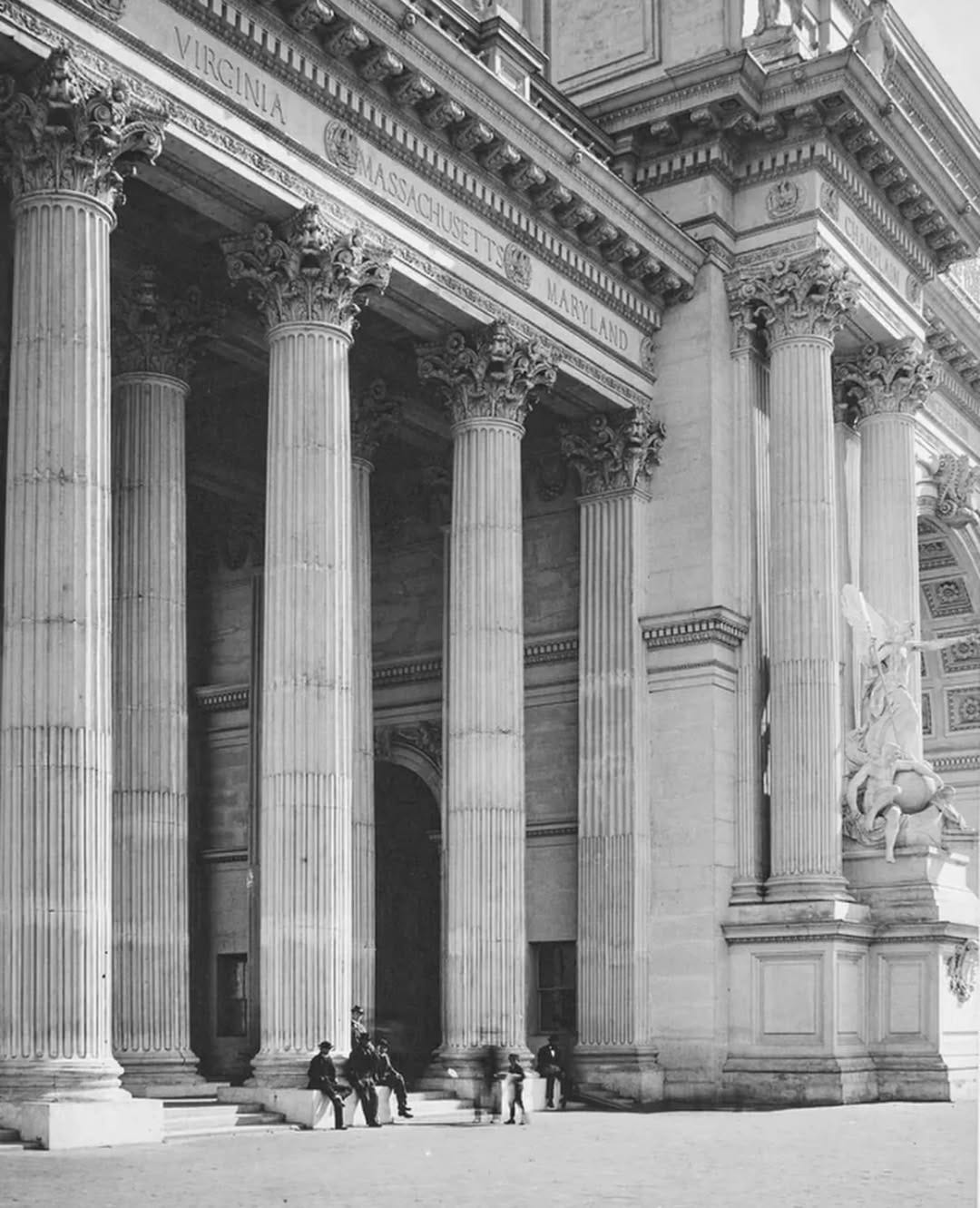
There’s a quote that rewired how I see the world:
Architecture is the will of an epoch translated into space.
Ludwig Mies van der Rohe wrote that. And ever since I read it, buildings have never looked quite the same to me. Architecture isn’t about personal expression or historical imitation — it’s a direct reflection of the zeitgeist, the defining spirit of an age. What we build reveals who we are. And that realization becomes almost painful when you compare what we’re building now to what we used to build…
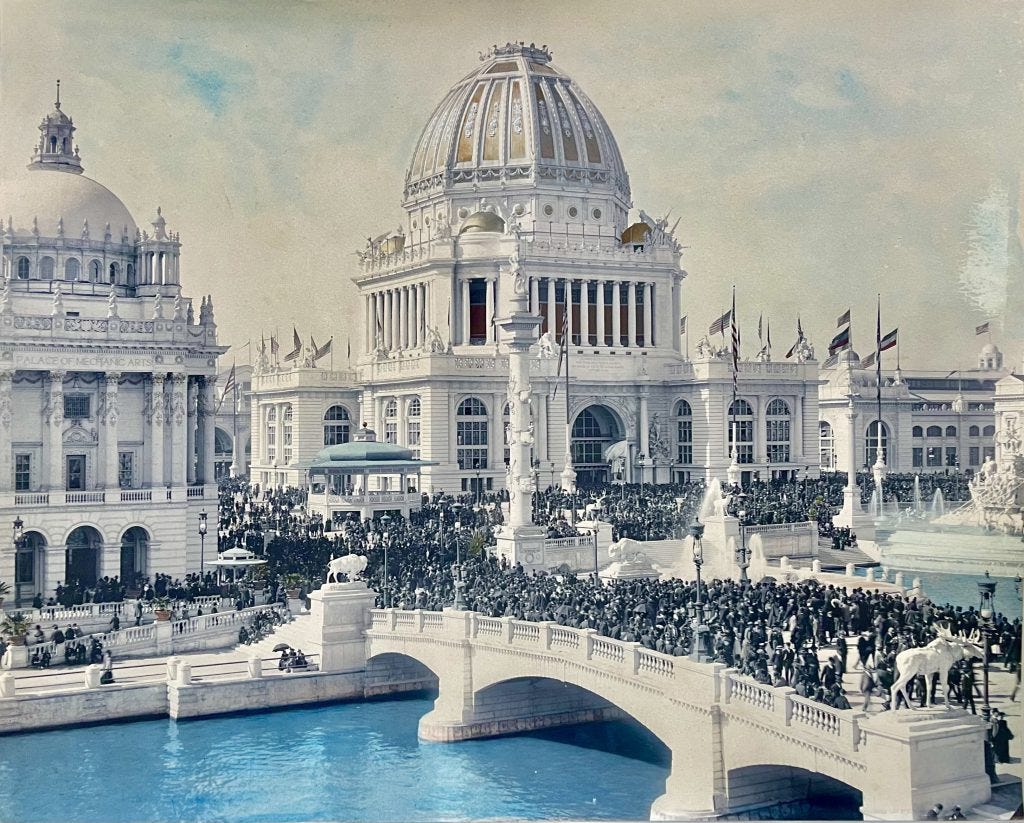
I often return to this photograph — it shows the Administration Building during the 1893 Chicago World’s Fair. The scale, the ambition, the sheer beauty of it. When you see something like this standing in America in the late 1800s, it feels like discovering ruins from another civilization entirely…
The photograph was taken in summer. By the following spring, almost everything in it had been deliberately destroyed.
Between 1893 and 1964, America built some of the most spectacular architecture the world had ever seen — palaces larger than cathedrals, towers that pierced the clouds, entire cities of white marble and electric light. Millions walked through their halls. Orchestras played in their concert venues. Presidents gave speeches beneath their domes.
And then we tore them down.
Most were designed to last only months. Built from temporary materials — plaster staff over wooden frames, meant to dazzle for a single season before vanishing. Some burned. Others were demolished the moment the fair closed. A rare few survive, but for the most part, only photographs remain.
These are 10 of America’s lost World’s Fair masterpieces…
REMINDER: this is a teaser for my subscriber-only articles.
Beauty is Truth is a reader-funded publication, supported entirely by you. There are no ads here, only independent writing devoted to celebrating beauty.
If you’ve been thinking about supporting my work, becoming a paid subscriber is the most meaningful way to do it:
With the new annual subscription discount, it’s less than the cost of a coffee per month — and it’s what makes all of this possible. Also, gift subscriptions to Beauty is Truth are now available:
1. Festival Hall
If someone told you this was Venice, you’d believe them... It’s actually St. Louis.
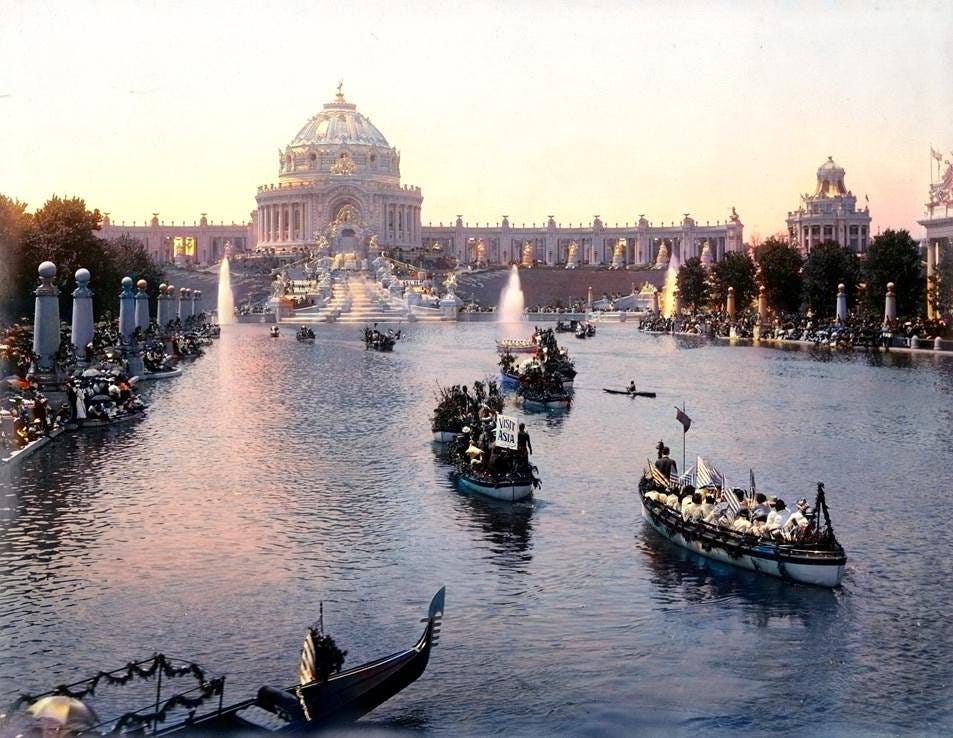
The photograph shows the Floral Parade of All Nations at the 1904 World’s Fair — gondolas gliding across lagoons constructed within the fairgrounds, a domed structure rising in the distance. In April 1904, St. Louis opened its doors to what was officially called the Louisiana Purchase Exposition. During the eight months it remained open, almost 20 million people visited. The fairgrounds sprawled across 1,200 acres with nearly 1,500 buildings.
The most extraordinary of these was Festival Hall. Designed by Cass Gilbert, it cost $218,430 to build — a fortune at the time. Inside sat the world’s largest pipe organ, filling a 4,500-seat auditorium with daily concerts…
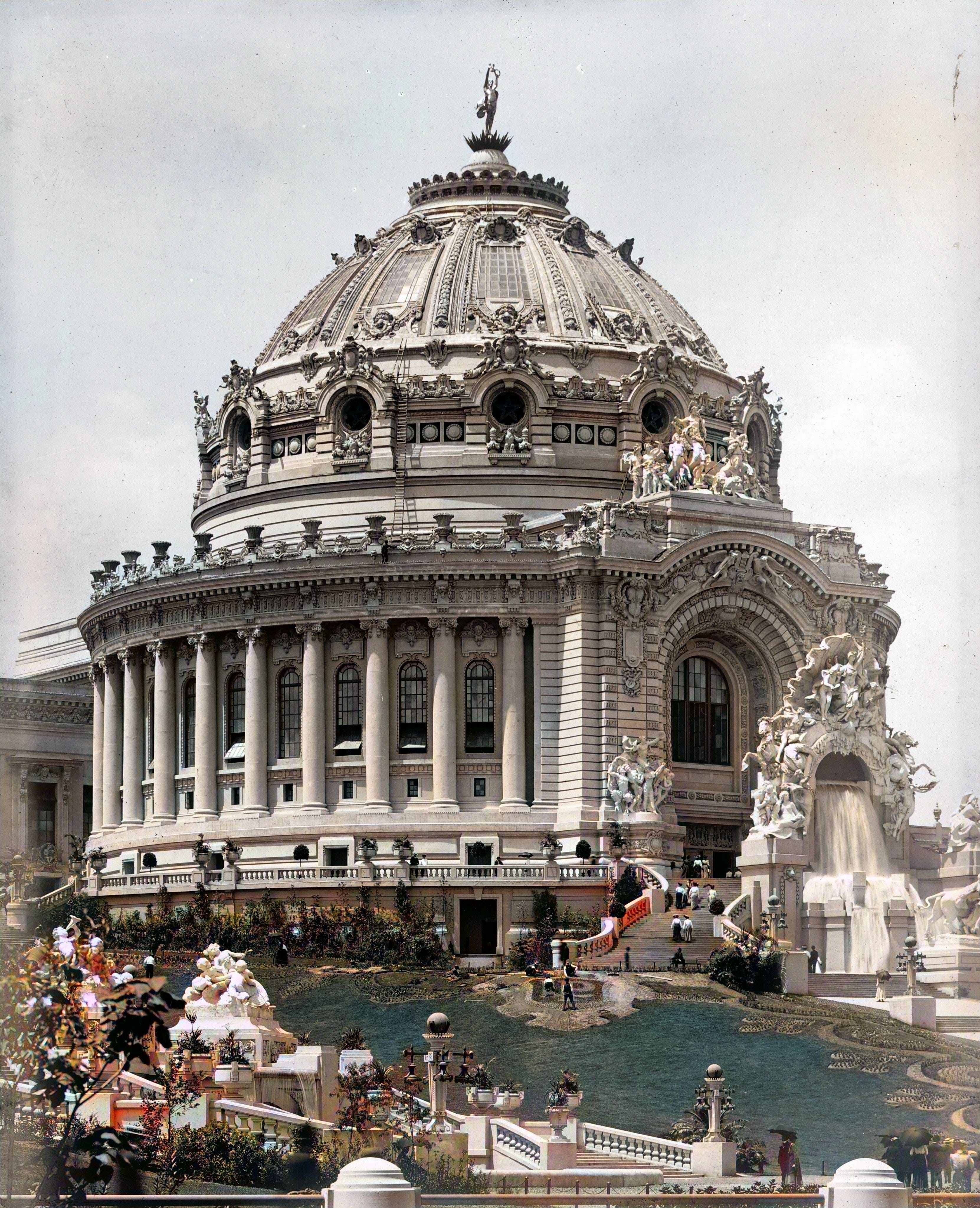
But it was the exterior that stopped people in their tracks: a massive dome rising 200 feet above the terrace, richly ornamented stucco façades, deep oculus windows, and towering columns. Pure Beaux-Arts grandeur, embodying everything the turn of the century believed about beauty and civilization.
The fair closed in December 1904. Within months, Festival Hall was demolished and the materials were sold as scrap.
2. Peristyle
You’d think this was Europe, or maybe AI-generated. It’s not. This was Chicago in 1893…